If you have only experienced Marrakech in summer, December will surprise you. As a local guide, I always describe it as the season when the city can finally breathe. The intense, dusty heat of August is gone, replaced by a soft winter sun and clear blue skies that make walking the Medina genuinely pleasant. During the day, the light is bright but gentle, warming your face without draining your energy.
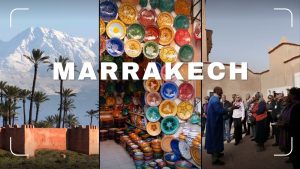
Mornings are my favorite time. You step outside early and smell woodsmoke drifting from nearby homes and bakeries as people heat water or bake bread. The air feels crisp, especially before the sun rises high. On clear days, you can even spot the snow-capped Atlas Mountains in the distance, a sight that still feels special no matter how many times you see it. When the light is right, they appear quietly behind the Koutoubia Minaret, reminding you how close the desert city is to real winter landscapes.
December in Marrakech is about contrast. In the sun, you might sit comfortably on a café terrace in a light sweater. Step into the shade of a narrow alley, and you’ll immediately feel the chill. This balance—warmth and coolness, brightness and calm—is what gives the city its unique winter charm.
If you’re traveling slightly earlier in the season, the conditions are similar to late autumn, which is explained in this guide on what to wear in Marrakech in November.
Managing the Marrakech temperature swing
December weather in Marrakech is less about cold and more about contrast. As a local guide, I always explain it with one simple rule: sun versus shadow. When you are standing in direct sunlight, especially between late morning and mid-afternoon, it can honestly feel like T-shirt weather. The winter sun is strong, dry, and very pleasant. You will see locals sitting outside cafés, soaking it in as if it were spring.
Now step into the shade, and everything changes. Narrow streets, covered souks, and alleyways in the Marrakech Medina trap cool air. Here, a light coat or warm layer suddenly feels essential. This is why simply saying “pack layers” is not enough—you need layers that are easy to take on and off throughout the day.
A jacket you can open quickly, a warm sweater under a lighter coat, and a scarf make all the difference. You might remove everything while walking in the sun, then put it all back on five minutes later when you turn a corner.
Local tip: pay close attention when choosing your riad. Many traditional houses in Marrakech were designed to stay cool during extreme summer heat. In December, that same design can make them surprisingly cold. Look for a riad with proper heating, a heated courtyard, or at least a south-facing terrace that catches the sun during the day. Without this, mornings and evenings inside can feel colder than outside.
Understanding this daily temperature swing is the key to staying comfortable in Marrakech in winter.
If you want a more detailed breakdown of clothing by temperature and activity, this guide on what to wear in Morocco in December explains it clearly.
Festivals and the 2025 Africa Cup of Nations
December is not just about weather in Marrakech—it’s also one of the most culturally active months of the year. Early December usually carries a calm but elegant energy thanks to the Marrakech International Film Festival. Even if you are not attending screenings, you will feel it in the city. Cafés are busier, cameras appear quietly on sidewalks, and it’s not unusual to spot international guests around luxury hotels like La Mamounia. For visitors, it adds a subtle buzz without overwhelming the city.
From December 21, 2025, everything shifts with the arrival of the Africa Cup of Nations. As a local, I can tell you this will be huge. Marrakech will be full of traveling supporters, team staff, journalists, and football lovers from across Africa and beyond. The atmosphere will be electric, especially in cafés, sports bars, and central neighborhoods. If you plan to dine out during this period, book restaurants well in advance—sometimes weeks ahead. Last-minute plans will be difficult, especially for popular spots in Gueliz and the Medina.
Despite this excitement, it’s important to understand how celebrations work here. New Year’s Eve in Marrakech is not a street party. Locals do not gather outside for countdowns or fireworks. Instead, celebrations are private and centered around hotels, riads, restaurants, and organized dinners with music and shows. If you want to celebrate, you must book a venue—nothing happens spontaneously in the streets.
This mix of cinema, football, and quiet traditions makes December 2025 a unique time to visit Marrakech, as long as you plan ahead and understand the local rhythm.
Navigating the Medina in the cool months
Winter changes the rhythm of the Medina, and as a local guide, this is when I enjoy it most. December brings calmer energy, clearer light, and more space to slow down and observe. You are no longer rushing to escape the heat, which completely changes how you experience the old city.
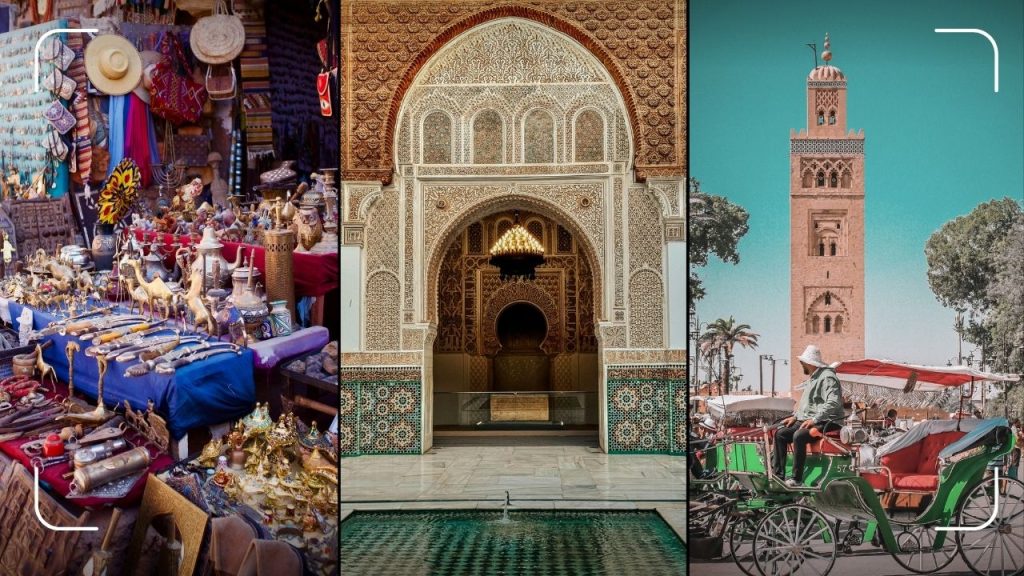
The souks are a perfect example. December is one of the best months of the year to shop for rugs, textiles, and handmade pieces. Spring is busy, crowded, and fast-paced, with shopkeepers juggling many visitors at once. In December, things are different. Sellers have more time to talk, explain patterns, tell you where a rug comes from, and negotiate properly without pressure. Conversations feel human again, not rushed. Even if you don’t plan to buy, browsing becomes enjoyable rather than overwhelming.
When the temperature drops, the hammam stops being a luxury and becomes a necessity. Locals don’t see it as a spa day in winter—it’s how you warm your body from the inside out. I always recommend a traditional Beldi hammam rather than a modern spa. The steam, hot water, and black soap treatment relax your muscles and fight the cold that settles in after walking shaded alleys all day. You leave not just clean, but genuinely warm, and that feeling lasts into the evening.
Late afternoon is when the Medina really shines in December. Sunset around 5:00 PM creates the best light of the year. The sun sits low, shadows stretch across the streets, and everything turns golden. This is the ideal moment to head toward Jemaa el-Fna. For photographers, it’s the golden hour: smoke rising from food stalls, performers setting up, and the sky shifting from blue to soft orange behind the minarets.
By early evening, the square comes alive, but without the exhausting heat of summer. You can stand, watch, photograph, and explore comfortably. This combination—quiet mornings, relaxed afternoons, and glowing sunsets—is what gives the Medina its winter magic.
For women exploring the Medina during warmer daylight hours, this article answers a common question about whether ladies can wear shorts in Marrakech.
Warming up with local winter flavors
December is when Marrakech really starts to eat for comfort. As a local, this is the season when food stops being just nourishment and becomes a way to warm the body after long days in cool air and shaded streets.
At sunset, almost every household turns to harira and dates. This is a daily ritual, not only during Ramadan. The soup is rich, slightly thick, and gently spiced, made with tomatoes, lentils, chickpeas, and herbs. After walking all day in winter temperatures, one bowl is enough to bring your body back to balance. Many small local cafés serve excellent harira in the early evening, especially around the Medina.
For dinner, nothing represents winter in Marrakech better than tanjia marrakchia. This is not a restaurant invention—it’s a traditional dish historically prepared by workers and bachelors. Meat, preserved lemon, garlic, cumin, and spices are sealed inside a clay pot and slow-cooked overnight in the ashes of a hammam furnace. The result is tender, deeply flavored meat that feels made for cold nights. It’s heavy, warming, and best shared, ideally after a long day of walking.
Winter is also citrus season. As you move through neighborhoods and roads leading in and out of the city, you’ll see stalls piled high with oranges and clementines. Many vendors press them fresh on the spot. A glass of cold citrus juice in December might sound strange, but it’s part of the season—sweet, sharp, and incredibly refreshing in the mild winter sun.
Tea also changes in winter. Mint tea remains common, but locals often switch to b’niwen, tea infused with wormwood (sheeba). It has a strong, slightly bitter taste and is believed to warm the body and help with digestion during colder months. This is not tourist tea—it’s what people drink at home when the evenings get cold.
In short, Marrakech in December is a city that eats and drinks to stay warm, and once you follow these habits, you’ll feel the difference.
Day trips: From the Atlas snow to the Agafay stone
One of the biggest advantages of visiting Marrakech in December is how easily you can escape the city and experience completely different landscapes in a single day. As a local guide, this is the season I most recommend short trips—roads are clear, temperatures are comfortable, and the scenery feels dramatic.
The most surprising option is Oukaïmeden, Africa’s highest ski resort. Yes, you can ski here in winter, but even if you have never touched skis, it’s still worth the trip. In December, snow often covers the peaks, creating a sharp contrast with the dry city below. Locals come for one main reason: a slow-cooked tajine eaten while looking directly at snowy mountains. The drive itself is part of the experience, climbing into the High Atlas and passing small villages where winter life feels very real.
If snow is not your style, the Agafay Desert is perfect in December. This rocky desert sits just outside Marrakech and is almost unbearable in summer heat. In winter, it becomes ideal. Days are sunny and mild, and evenings are cool but comfortable. This is when the famous crisp desert night feeling appears—clear skies, sharp stars, and quiet that feels deeper than silence. Dinner in the desert during December is calm and atmospheric, without the exhaustion that summer temperatures bring.
For a coastal escape, Essaouira is an excellent day trip. Known as the “Windy City,” it surprises many visitors in winter. December temperatures are mild, not cold, and the breeze feels refreshing rather than harsh. This is a great time to walk the fishing port, watch boats return with the daily catch, and enjoy grilled seafood without summer crowds. The Medina feels relaxed, and the Atlantic light is perfect for photography.
In December, Marrakech is not just a destination—it’s a base. From snow to stone desert to ocean air, few cities offer this range of day trips in such a short distance.
Hot air balloon in Marrakech
December is one of the best months of the year for a hot air balloon experience in Marrakech, and as a local guide, this is when I recommend it without hesitation. Cooler temperatures create stable air conditions, which means smoother flights, clearer visibility, and a much more comfortable experience overall.
Flights start very early in the morning, just before sunrise. In December, this timing is perfect. The air is crisp but calm, and as the balloon lifts off, you watch the desert landscape slowly light up. On clear winter mornings, you can see the Atlas Mountains stretching across the horizon, often with snow still visible on the peaks. This contrast—warm colors below, white mountains in the distance—is something you simply don’t get in warmer months.
Another advantage of winter is clarity. Summer heat creates haze, but December skies are sharp and blue, which makes a huge difference for photography. Whether you are taking photos or just watching in silence, the view feels wide, clean, and peaceful.
After landing, most experiences include a traditional breakfast and mint tea served outdoors or in a tent, which feels especially rewarding in winter. Wrapped in a blanket, drinking hot tea after a cold sunrise flight is part of what makes the experience memorable.
If you’re visiting Marrakech in December and want one activity that feels truly special—and seasonal—hot air ballooning is one of the strongest choices you can make.
Getting around and staying warm
This is the part visitors often overlook, but a few local details can make your December stay much smoother.
Transport at night works differently in winter. As soon as the sun goes down and temperatures drop, taxis become more in demand, especially after dinner. Prices tend to go up slightly in the evening, and short rides can suddenly feel expensive if you don’t agree beforehand. As a local, my advice is simple: have a ride-hailing app ready or confirm the fare before getting in. It saves time, avoids awkward conversations, and keeps things relaxed when it’s cold outside.
Christmas in Marrakech surprises many travelers. December 25 is a normal working day here. Shops are open, offices function as usual, and there is no public holiday atmosphere. That said, if you want a taste of Christmas, head to bakeries and cafés in Gueliz. This is where you’ll find the best bûche de Noël, along with other seasonal pastries made for residents and visitors who celebrate. Hotels and some restaurants also offer special menus, but they must be booked in advance.
Finally, don’t forget hydration. Cool weather tricks many people into drinking less water. Marrakech is still dry in winter, and between walking, sun exposure, and hammams, dehydration is common. Carry water with you during the day, even when it doesn’t feel hot.
These small adjustments—transport planning, realistic expectations for holidays, and basic health habits—make a big difference to how comfortable December feels in Marrakech.
Conclusion:
December is when Marrakech shows its most balanced side. As a local guide, this is the month I quietly recommend to friends who want the city without the extremes. You get warm winter sun without the exhausting heat, lively streets without peak-season pressure, and access to experiences that simply work better in cooler weather—from hammams and food to long walks through the Medina.
It’s also a month of contrast. You can drink tea in the sun at midday, pull on a coat an hour later, and be looking at snow-covered mountains or desert stars the same day. Cultural life continues at its normal rhythm, with a few international highlights mixed in, but without losing its local feel.
If you plan ahead, dress smartly for the temperature swings, and follow local habits, December becomes more than a good time to visit—it becomes the moment Marrakech feels most authentic, comfortable, and alive.