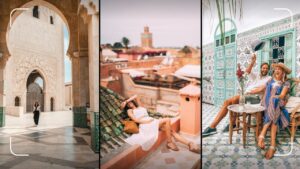
If you’re traveling to Morocco, one thing should be clear from the start: tap water is generally not recommended for visitors to drink, even though many local people drink it every day.
This doesn’t mean Morocco’s tap water is untreated or unsafe. In most cities, it’s treated and regulated. The difference is what your body is used to. Visitors often react to the mineral content, chlorine levels, or plumbing systems, while locals have adapted over time.
As a local guide working across Morocco—not only in Marrakech—this guide gives you the honest, practical answer: who should drink tap water, who shouldn’t, how it varies by city, where the water comes from, and the easiest way to avoid stomach problems while traveling.
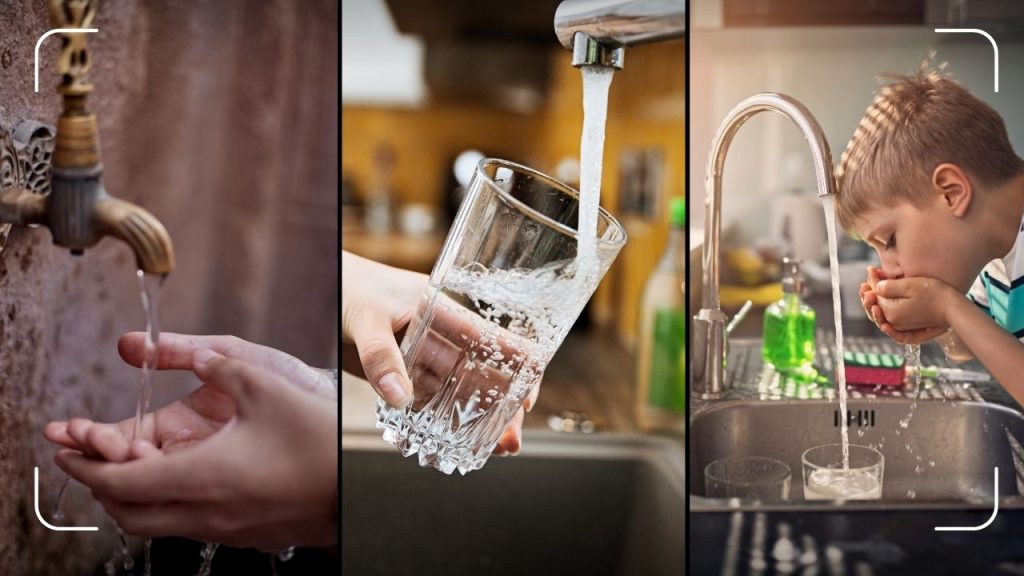
The quick answer (tourists vs locals)
Is tap water in Morocco treated and regulated?
Yes.
Is it recommended for most short-term visitors to drink?
No.
Here’s the simple breakdown:
- Local residents often drink tap water daily, especially in cities.
- Most visitors, particularly on short stays, are advised not to drink it.
- The main issue is digestive adaptation, not immediate danger.
For travelers:
- Brushing teeth, showering, tea, coffee: generally fine in cities
- Drinking tap water directly: not recommended unless filtered
- Children, elderly travelers, sensitive stomachs: bottled or filtered water is best
Where Morocco’s drinking water comes from
Morocco’s drinking water supply comes from three main sources, depending on region and season:
- Surface water (rivers and dams)
A large part of the country’s water comes from rivers stored in dams, especially in northern and central Morocco. - Groundwater (wells and aquifers)
Widely used across inland and southern regions, including rural and desert areas. - Desalination (increasingly important)
Coastal cities are relying more on desalinated seawater due to recurring droughts.
All municipal water is treated, disinfected, and monitored before reaching homes. In large cities, the treatment quality is generally reliable.
What can vary is the final delivery—older pipes, rooftop tanks, and building-level plumbing.
Why tap water can upset visitors (even when it’s treated)
When travelers feel unwell after drinking tap water, it’s usually not contamination in the dramatic sense.
Common reasons include:
- Different mineral composition than what your body is used to
- Higher chlorine levels, affecting taste and digestion
- Old plumbing in some riads, apartments, or older buildings
- Heat and dehydration, which can make stomach sensitivity worse
This is why one person may feel fine while another doesn’t, even drinking the same water.
City-by-city: can you drink tap water in Morocco?
Here’s a clear, practical overview of the most visited destinations.
Marrakech
Tap water is treated and used daily by locals.
For visitors, stomach issues are common, so bottled or filtered water is recommended for drinking.
For a more detailed explanation, you can read our full guide on can you drink tap water in Marrakech.
Fes
Similar to other large historic cities. Fine for brushing teeth and hot drinks.
For drinking, bottled water is the safer choice for visitors.
Casablanca
Modern infrastructure and treated supply. Many residents drink tap water.
Visitors often still prefer bottled water, especially in older buildings.
Rabat
Generally reliable city supply.
Same advice as Casablanca: fine for hygiene, bottled for drinking if sensitive.
Agadir
Coastal city with treated water.
For travelers, bottled water is the easiest and safest option.
Taghazout
Small surf town near Agadir. Water quality depends on accommodation.
Use bottled or filtered water for drinking, especially in rentals and guesthouses.
We explain this in more detail in our article about can you drink tap water in Taghazout, especially for surfers and short stays.
Tangier
Treated city supply with improving infrastructure.
Many visitors are fine, but bottled water is still commonly used.
Merzouga Desert
Remote area with variable water sources.
Always choose bottled or filtered water for drinking.
Bottled water in Morocco: brands and typical prices
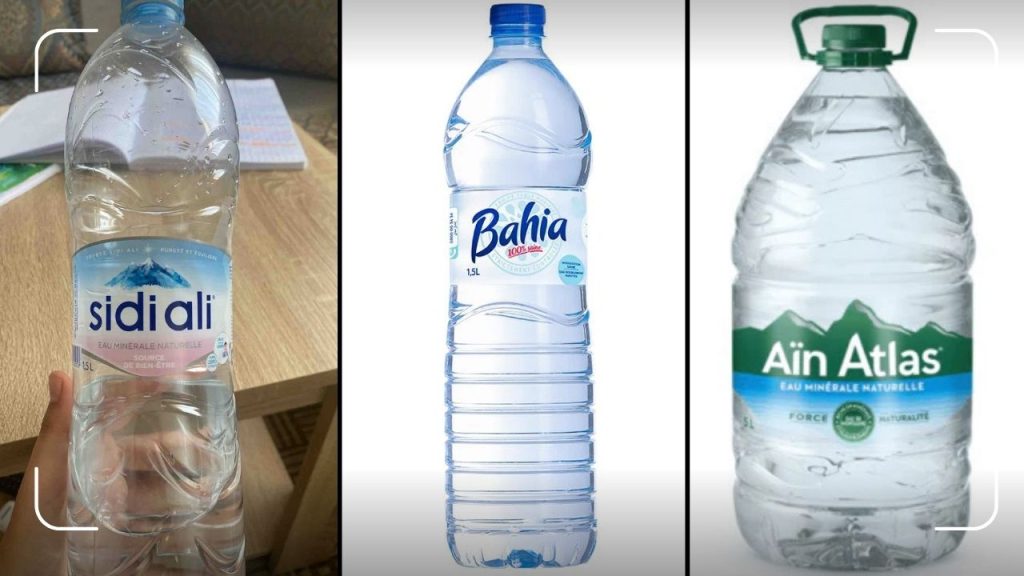
Bottled water is cheap, easy to find, and sold everywhere—supermarkets, kiosks, cafés, hotels, and roadside shops.
Common brands include:
- Sidi Ali
- Ain Atlas
- Oulmès
- Sidi Harazem
- Ain Saiss
Typical prices (may vary slightly by location):
| Size | Price (MAD) | Notes |
|---|---|---|
| 0.5 L | 3–4 MAD | Very common, often sold cold |
| 1.5 L | 5–7 MAD | Standard daily bottle |
| 5 L | 12–15 MAD | Cheapest per liter |
For reference: 10 MAD ≈ €0.90–1.00.
Simple rules to avoid stomach problems
You don’t need to be overly cautious. Just follow these basics:
- Drink bottled or filtered water
- Ask for no ice unless you trust the restaurant
- Hot drinks are generally safe
- Eat washed produce in reputable places
- Ask your riad or hotel if they provide filtered drinking water (many do)
Brushing your teeth with tap water in cities is normally fine.
Bottom line
Tap water in Morocco is treated and regulated, but for most visitors, it’s not recommended to drink it directly.
Bottled or filtered water is inexpensive, widely available, and the easiest way to stay healthy and enjoy your trip.