If you’re visiting Marrakech, one of the first questions people ask me is simple: “Can I drink the tap water?” You’ll hear different answers online—some say yes, others say never—and that’s where the confusion starts. As a local guide living and working here, I want to give you the clear, honest version, not recycled travel-forum advice.
Tap water in Marrakech is treated and regulated, and many locals use it every day without thinking twice. But that doesn’t automatically mean it’s the best choice for every visitor. The difference between what’s technically safe and what your stomach is used to matters more than most guides explain.
Morocco isn’t a place where people avoid tap water out of fear. We cook with it, wash vegetables, make tea, and brush our teeth daily. At the same time, we understand why travelers sometimes feel uneasy—or end up with stomach problems—after drinking it.
In this guide, I’ll explain how the water system really works in Marrakech, why locals and visitors experience it differently, and when it’s fine to use tap water versus when bottled or filtered water makes more sense. No exaggeration, no scare tactics—just practical local advice to help you stay comfortable during your trip.
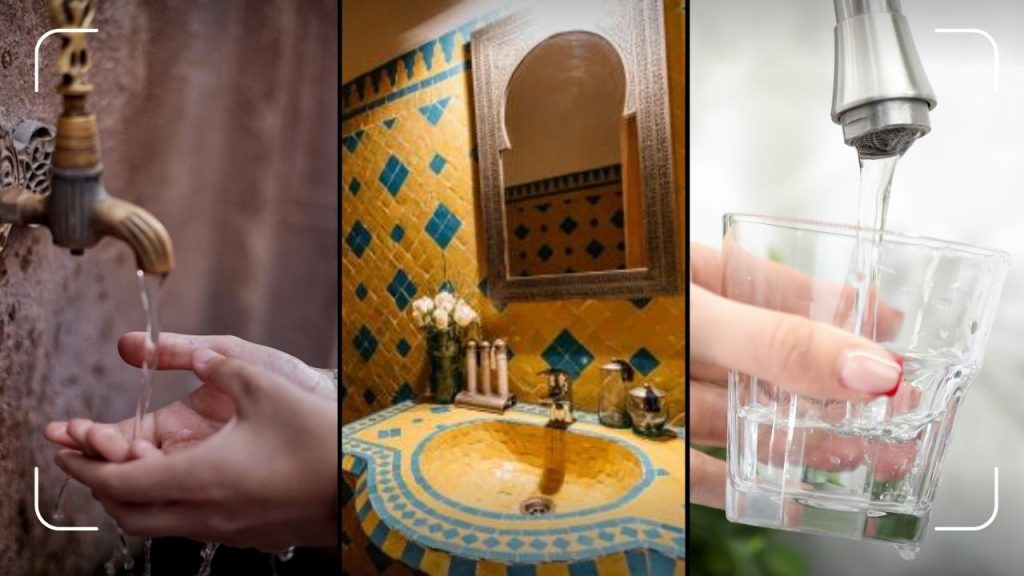
Is Tap Water Technically Safe in Marrakech?
Yes — from a technical and legal point of view, tap water in Marrakech is treated and monitored and is considered safe by Moroccan public health standards. In major cities like Marrakech, Casablanca, and Rabat, drinking water is supplied by the national and regional water authorities and goes through several treatment stages before reaching homes and hotels.
The main treatment method used is filtration followed by chlorination. Chlorine is added to kill bacteria, viruses, and other microorganisms, and water quality is regularly tested at treatment plants and along the distribution network. This is why the water meets microbiological safety standards and why serious waterborne outbreaks are extremely rare in urban Morocco.
This also explains why locals drink tap water without problems. People who grow up here are exposed to this water from childhood. Our digestive systems adapt over time to the local mineral content and trace microorganisms. For us, drinking tap water at home is normal, especially in newer buildings with good plumbing.
However, microbiological safety does not always mean comfort for travelers. Even when water is technically safe, it can still cause stomach upset for visitors. The reason is not contamination, but difference. Your gut flora is adapted to the water where you live, and sudden exposure to a different mineral balance, chlorine level, and local bacteria can lead to diarrhea or cramps, even if the water is treated correctly.
Another important factor is infrastructure quality, which varies by neighborhood. Newer areas, modern apartment buildings, and reputable hotels usually have updated pipes and storage systems. In older parts of the city, especially in the medina, plumbing can be decades old. Water may pass through rooftop tanks or old pipes before reaching the tap, which can affect taste and quality, even if the water was clean at the source.
So technically, yes — Marrakech tap water is treated and monitored. Practically, how your body reacts depends on where you drink it and what your system is used to.
Taste, Minerals & Why It Feels Different to Foreigners
One of the first things visitors notice about tap water in Marrakech is the taste. Even when it’s safe, it doesn’t always taste familiar. The main reason is chlorine. Moroccan cities use chlorination to keep water microbiologically safe, and in warmer climates like Marrakech, chlorine levels can be slightly higher to prevent bacterial growth. This creates a noticeable smell or sharp taste, especially for people not used to it.
The second factor is mineral content. Tap water in Morocco is generally harder than in many European or North American cities. It contains higher levels of minerals like calcium and magnesium. These minerals are not harmful, but they change both the taste and how the water feels in your mouth and stomach. For locals, this is normal. For visitors, it can feel “heavy” or cause mild digestive discomfort.
Taste also varies by area. Even within Marrakech, water can taste different depending on the neighborhood and the building. Newer districts with modern piping usually have cleaner-tasting water. In the old medina, where water may pass through rooftop tanks or older pipes, the taste can be stronger or slightly metallic.
To give you a local comparison:
- Rabat generally has milder-tasting tap water, with less noticeable chlorine, which many visitors tolerate better.
- Marrakech water often tastes stronger due to heat, mineral levels, and storage systems.
- In Atlas Mountain villages, water may come from natural springs or local sources. It can taste very fresh but is not always treated the same way and should not be assumed safe for visitors.
So when travelers say tap water “doesn’t agree with them,” it’s often about taste and mineral balance, not contamination. The water is different, and your body notices the change quickly.
When You Should Drink Tap Water
In everyday life in Morocco, tap water is part of our routine. We cook with it, wash food, clean dishes, and make tea and coffee using tap water without concern. In many homes, people also drink it, especially in cities and newer neighborhoods. This is normal daily life here, not something unusual.
For visitors, there are situations where using tap water is completely fine. Brushing your teeth with tap water in Marrakech is generally safe. Washing fruits and vegetables in a hotel or riad is also common, especially in places that cater to travelers. Making hot drinks like tea or coffee is low risk because the water is boiled, which removes any remaining microorganisms and reduces issues for sensitive stomachs.
Where you need to be more careful is direct drinking, especially if you’ve just arrived. In modern hotels, riads with filtered systems, or newer apartments, small amounts are usually not a problem for many travelers. But drinking large quantities straight from the tap on day one is not recommended if your stomach is sensitive.
There are also situations where it’s better to avoid tap water completely. In rural areas, small villages, and remote locations, water sources may not be treated the same way as in cities. Old plumbing, especially in historic buildings or private houses with rooftop storage tanks, can affect water quality and taste. This doesn’t mean the water is dangerous, but it increases the chance of stomach discomfort.
My practical advice as a local guide is simple: use tap water confidently for hygiene and hot drinks, and be selective about drinking it directly—especially outside cities or in older buildings.
Best Alternatives — Bottled, Filtered & Boiled Water
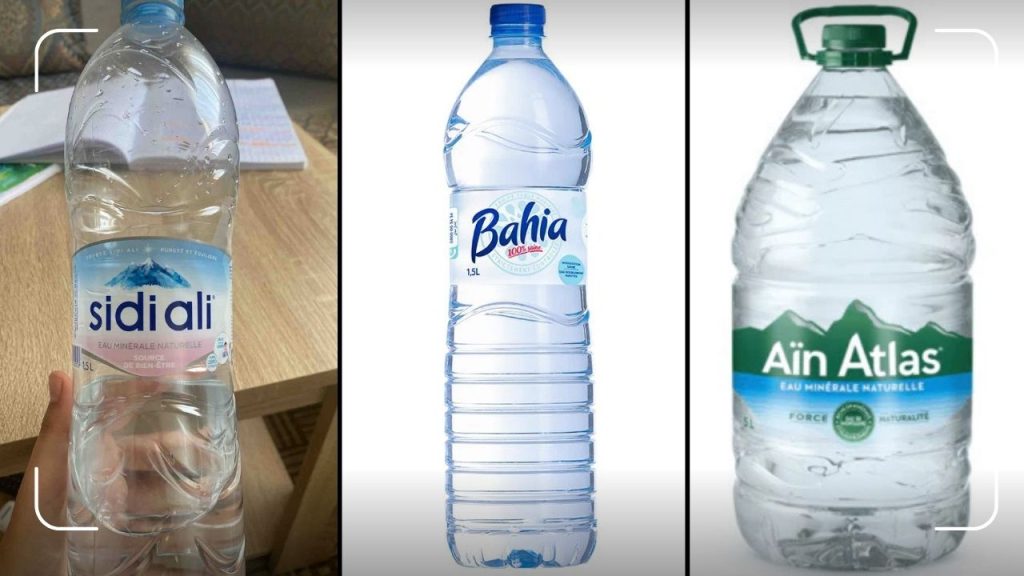
For most visitors in Marrakech, bottled water is the easiest and safest option. It’s widely available in supermarkets, small shops, cafés, and hotels. Always check that the seal is intact before buying—this is important in any country. Popular and reliable local brands include Sidi Ali, Ain Saiss, and Ciel. These are produced under controlled conditions and are what locals also buy when they don’t want tap water.
Many riads and hotels use filtered water systems, especially those hosting international guests. This water is often safe to drink and easier on the stomach than tap water. When you arrive, don’t hesitate to ask simple questions like “Is this filtered water safe to drink?” or “Do you provide drinking water?” Staff are used to this and will tell you clearly. Some places offer free refill stations or provide large bottles in rooms.
Boiled water is another safe option, which is why hot drinks are generally fine. Tea and coffee made with boiling water are safe almost everywhere in Marrakech, including cafés and homes. This is why many travelers drink mint tea daily without any issues, even if they avoid cold tap water.
If you want to reduce plastic waste, there are eco-friendly alternatives. Some hotels and riads offer refill points for filtered water. Portable water filters and purification bottles also work well in cities and are useful for longer trips. In rural or desert areas, bottled water is still the safest choice.
My local advice: bottled or filtered water for daily drinking, boiled water for hot drinks, and tap water for everything else.
What About Ice, Salads & Street Vendors?
Ice is one of the most common causes of stomach trouble for travelers, not tap water itself. In Marrakech, ice is safe only in reputable hotels, riads, and established cafés or restaurants. These places usually use filtered or bottled water and commercial ice machines. Avoid ice in small local cafés, roadside places, or anywhere you’re unsure about the water source. If in doubt, just ask for your drink sans glace.
Salads and raw foods are another area where visitors need to be careful. Locals eat salads daily without problems because our stomachs are used to the water and environment. For travelers, the risk comes from raw vegetables washed in tap water. Even clean, treated water can cause digestive issues if your system isn’t adapted. In good restaurants and hotels, salads are often washed with filtered water, but this is not guaranteed everywhere.
Street food deserves a balanced view. Freshly cooked food is usually safe, especially when it’s hot and prepared in front of you. Grilled meats, sandwiches made to order, and hot snacks are generally fine. The risk increases with raw toppings, sauces, or salads added after cooking.
To stay safe without stress:
- Choose busy places with high turnover.
- Prefer hot, freshly cooked food.
- Skip ice unless you trust the place.
- Be selective with raw vegetables during your first days.
You don’t need to avoid everything—just make smart, calm choices.
Regional Differences — Beyond Marrakech
Water quality and reliability in Morocco change a lot depending on location. Big cities, tourist centers, and remote areas do not have the same water systems, and travelers should adjust their habits accordingly.
In major cities like Casablanca and Rabat, tap water is treated, monitored, and generally more consistent than in smaller towns. Rabat, in particular, is known for milder-tasting water, and some visitors tolerate it better than water in hotter cities. Casablanca also has a stable supply, especially in modern neighborhoods and hotels.
In tourist centers such as Marrakech, Fes, and Agadir, water is treated, but heat, storage tanks, and older plumbing can affect taste and comfort. This is why many hotels and riads install filtration systems and why bottled water is commonly offered to guests.
In Atlas Mountain villages, water often comes from local springs or small supply networks. It may taste very fresh, but it is not always treated or tested to urban standards. Locals drink it daily, but visitors should not assume it is safe for their stomachs.
In the Sahara and desert regions, including areas around Merzouga and Zagora, drinking water usually comes from transported or stored sources. Bottled water is the safest and most reliable option there, even for brushing teeth if you’re sensitive.
The rule is simple: the farther you are from major cities, the more cautious you should be.
FAQs From Real Travelers
Can I brush my teeth with tap water?
Yes. In Marrakech and other cities, brushing your teeth with tap water is generally safe. Most travelers do this without any issues.
Is it safe to use tap water for baby formula?
No. For baby formula, always use bottled water or water that has been boiled and cooled. This avoids any risk from minerals or bacteria.
Can I fill water bottles at public places?
Not recommended. Public fountains and taps are not meant for drinking unless clearly marked. Use bottled water or filtered refill stations in hotels or riads.
What local phrases can I use to ask for safe water?
Eau minérale, s’il vous plaît (Bottled water, please)
Sans glace (No ice)
Eau filtrée ? (Filtered water?)
Maa maadaniya (Mineral water – Darija)
Is rainwater or hotel tank water safe?
No for drinking. Rooftop tanks are common but not designed for direct consumption. Use bottled or filtered water instead.
Practical Phrases — Ask For Safe Water Like a Local
In Morocco, knowing a few simple phrases makes things easy and avoids confusion. You don’t need perfect French or Arabic—locals will understand and appreciate the effort.
In cafés and restaurants, the most common request is:
“Eau minérale, s’il vous plaît” — this means bottled mineral water and is understood everywhere. If you don’t want ice in your drink, say “Sans glace”, especially in smaller cafés.
In hotels and riads, you can ask directly:
“Eau filtrée ?” — this means “Is this filtered water?” Staff are used to this question and will answer clearly.
In everyday situations, especially with drivers or local shops, Darija is useful.
“Miah barida” means cold water. If you want bottled water, you can say “Miah maadaniya”, which means mineral water.
If you want to be extra clear, you can combine phrases:
“Miah maadaniya, afak” — bottled water, please.
These simple phrases help you get the right water without stress or long explanations, just like locals do.
Conclusion — My Honest Guide Advice
So, can you drink tap water in Marrakech? The honest local answer is: it’s treated, monitored, and many locals drink it, but that doesn’t mean it’s the best choice for most visitors.
In cities like Marrakech, the tap water goes through proper treatment, and people here use it daily for cooking, cleaning, tea, and everyday life. Our bodies are used to the local minerals, chlorine levels, and water system. Visitors usually aren’t, and that difference is what causes most stomach problems—not dirty water.
If you’re traveling, the smart approach is simple. Use tap water confidently for brushing your teeth, washing hands, and hot drinks. For daily drinking, bottled or filtered water is the safer and more comfortable option, especially during your first days. This is why hotels, riads, and guides recommend it—it’s about avoiding discomfort, not fear.
Outside big cities, in villages or desert areas, bottled water becomes even more important. Conditions change, and supply systems are not the same as in urban centers.
My advice as a local guide is practical, not dramatic: respect the local water system, but listen to your stomach. Choose what keeps your trip smooth and enjoyable.