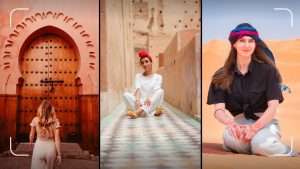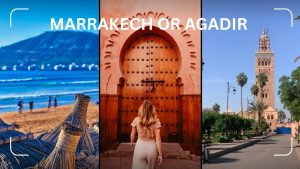
Welcome to Marrakech — a city we don’t just work in, but grew up with and know by heart. As a local Moroccan travel agency based here, we see Marrakech not only as a destination, but as a living crossroads of history, culture, and daily life.
Marrakech is one of Morocco’s great imperial cities, shaped by centuries of dynasties, trade routes, and traditions. Inside the old Medina, life moves much as it has for generations: craftsmen working in the souks, calls to prayer echoing between ancient walls, and cafés filling with locals at sunset. At the same time, modern neighborhoods show another side of the city, blending contemporary life with deep-rooted heritage.
What makes Marrakech truly special is its location. It’s the perfect starting point to discover all of Morocco. Within a short drive, you can reach the Atlas Mountains and Berber villages, cross historic kasbah routes toward the Sahara Desert, or head west to the Atlantic coast. Few cities offer such easy access to such different landscapes.
This guide is written from a local perspective — practical, honest, and relaxed. Not rushed, not filtered for social media. Just real advice to help you experience Marrakech and Morocco in a meaningful way, at your own pace.
Planning Your Trip to Marrakech: What You Should Know First
Before arriving in Marrakech, it helps to understand a few basics. This is a busy, lively city where tradition and modern life run side by side. Planning well will save you time, money, and unnecessary stress, especially if it’s your first visit to Morocco.
Best Time to Visit Marrakech
The best time to visit Marrakech is spring (March–May) and autumn (September–November). During these months, days are warm but comfortable, evenings are pleasant, and prices are reasonable compared to peak season.
Summer (June–August) is very hot, often over 40°C, especially in July and August. It’s quieter and cheaper, but sightseeing during midday can be exhausting.
Winter (December–February) is mild during the day and cool at night. It’s a popular season for European travelers, so prices are higher around Christmas and New Year. Snow is rare in the city but visible in the Atlas Mountains.
Weather, What to Pack & Daily Conditions
Pack light, breathable clothes for most of the year. In summer, sun protection is essential. In winter, bring a jacket for evenings. Comfortable walking shoes are important year-round because streets in the Medina are uneven. Modest clothing is recommended for comfort and respect, especially in traditional areas.
Entry Requirements, Money & Practical Basics
Most travelers can enter Morocco visa-free for up to 90 days, but our passport should be valid for the duration of your stay (many airlines require at least six months). The local currency is the Moroccan dirham (MAD). Cash is widely used, especially in souks and taxis. Tipping is not mandatory but appreciated, especially for drivers, guides, and restaurant staff.
Getting to Marrakech & Moving Around the City
Marrakech Menara Airport is about 15 minutes from the city center. Taxis are common but agree on the price before riding. Walking works well inside the Medina. For comfort and flexibility, many travelers choose a private driver, especially for day trips or airport transfers.
Where to Stay in Marrakech: Neighborhoods Explained by a Local
Choosing where to stay in Marrakech has a big impact on your experience. Each area offers a different rhythm, level of comfort, and connection to local life. There is no single “best” area — it depends on how you want to spend your time.
The Medina (Historic Center)
The Medina is the heart of Marrakech. Staying here means narrow streets, riads hidden behind old walls, and daily life happening right outside your door. It’s ideal if you want to be close to souks, monuments, and Jemaa el-Fna. The atmosphere is lively and authentic, but it can be noisy, and access by car is limited. First-time visitors love it, but it’s not the most convenient area for short stays or heavy luggage.
Gueliz & Hivernage (Modern Marrakech)
Gueliz and Hivernage are modern districts with wide streets, cafés, restaurants, and hotels. This area suits travelers who prefer comfort, easy taxis, nightlife, and international dining. It’s calmer than the Medina and easier to navigate, especially for families or business travelers. The downside is that it feels less traditional and requires transport to reach historic sites.
Palmeraie & Quiet Areas Outside the Center
The Palmeraie and outskirts offer resorts, villas, and peaceful settings surrounded by palm groves or open land. These areas are best for relaxation, pools, and space. You’ll need a car or driver to reach the city, so it’s less practical for sightseeing but perfect for travelers seeking calm and privacy.
How to Choose the Right Area for Your Trip
Couples and culture-focused travelers usually enjoy the Medina. Families and longer stays often prefer Gueliz or resort areas. If your trip is short, stay central. If you want rest and comfort, choose outside the city center.
Marrakech City Guide: What to See and Do (Without Rushing)
This plan follows a natural rhythm we often suggest to travelers: start with the historic heart, move to gardens and monuments, then slow down and experience daily life. Marrakech is not a city to rush. Distances are short, but experiences are dense.
Day 1: The Medina & Historic Marrakech
Your first day is best spent inside the old city. The Medina is where Marrakech’s identity is most visible, and everything is within walking distance.
Jemaa el-Fna Square
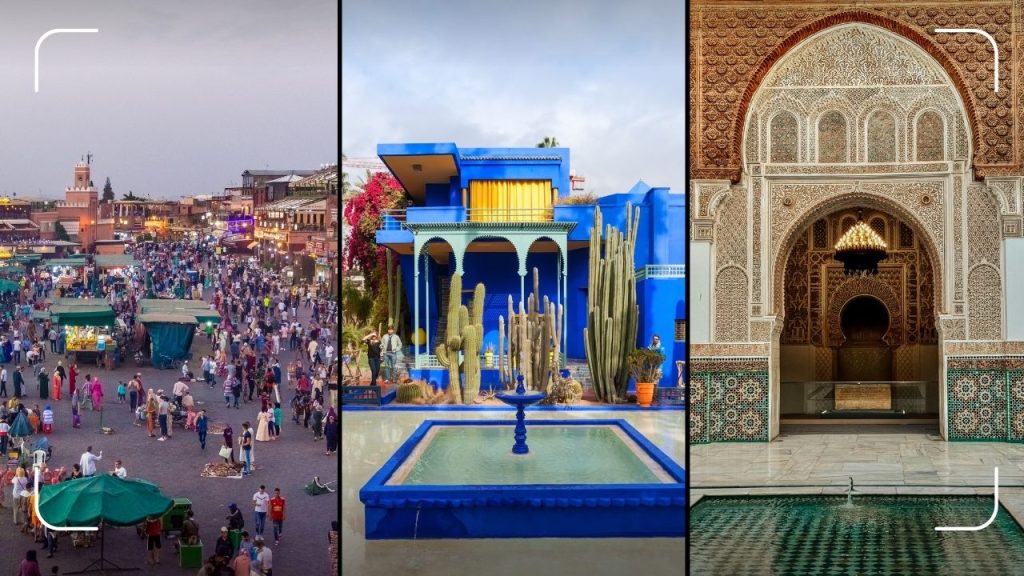
Jemaa el-Fna is the main square and social center of the city. During the day, it’s relatively calm, with juice stalls and street performers. In the evening, it fills with food stalls, musicians, and locals meeting friends. It’s loud, chaotic, and very real. Spend time watching, not just passing through.
Souks and Traditional Markets
The souks begin directly from the square and spread across the Medina. Each section specializes in something different: spices, leather, metalwork, textiles, and everyday goods. Walk slowly and expect to get lost — that’s normal. Bargaining is part of the culture but should stay respectful. These markets are working spaces, not museums, so be patient and aware of motorbikes passing through.
Ben Youssef Medersa & Cultural Heritage
Ben Youssef Medersa offers a quieter, more reflective side of the Medina. This former Islamic school shows fine Moroccan craftsmanship, with carved wood, zellij tiles, and calm courtyards. Nearby, you’ll find traditional neighborhoods where daily life continues away from tourist crowds. This area helps balance the intensity of the souks.
Day 2: Gardens, Palaces & Monuments
Day two focuses on architecture, history, and open spaces, mixing indoor visits with calmer walking areas.
Jardin Majorelle & YSL Area
Jardin Majorelle is one of the most visited sites in Marrakech. Known for its bold colors and exotic plants, it’s best visited early to avoid crowds. The surrounding area includes museums and cafés, making it a good half-day stop. Tickets should be booked in advance during busy seasons.
Bahia Palace & Saadian Tombs
Bahia Palace gives insight into 19th-century royal life, with large courtyards and decorated rooms. Nearby, the Saadian Tombs date back to the Saadian dynasty and show refined stonework and symmetry. These sites are close together and easy to combine without rushing.
Koutoubia Mosque Area
Koutoubia Mosque is Marrakech’s main landmark. Non-Muslims cannot enter, but the exterior and surrounding gardens are worth a visit. The area is ideal for a relaxed walk, especially in the late afternoon when locals gather and the light softens.
Day 3: Local Life & Slower Marrakech
After two full days of sightseeing, the third day is about slowing down and observing everyday life.
Hammam & Wellness Traditions
A traditional hammam is part of Moroccan routine, not a luxury. Local hammams are simple and authentic, while spa hammams offer more comfort and privacy. Both focus on steam, scrubbing, and relaxation. It’s a good way to rest your body after walking the Medina.
Cafés, Tea Culture & Daily Life
Moroccan tea is part of daily rhythm. Sit in a local café, order mint tea or coffee, and watch life pass by. Morning cafés are calm, afternoons are social, and evenings are lively. This is where you see Marrakech beyond sightseeing.
Less Touristic Neighborhood Walks
Walk through residential areas outside main attractions to understand the city better. You’ll see markets, schools, bakeries, and normal routines. These walks give context to everything you’ve seen and help Marrakech feel less overwhelming and more human.
Moroccan Food in Marrakech: How Locals Really Eat
Food in Marrakech is part of daily life, not a performance. Locals eat simply, seasonally, and often at home or in small neighborhood places. Understanding how Moroccans really eat helps you avoid tourist traps and enjoy more authentic meals.
Moroccan Tea Culture Explained
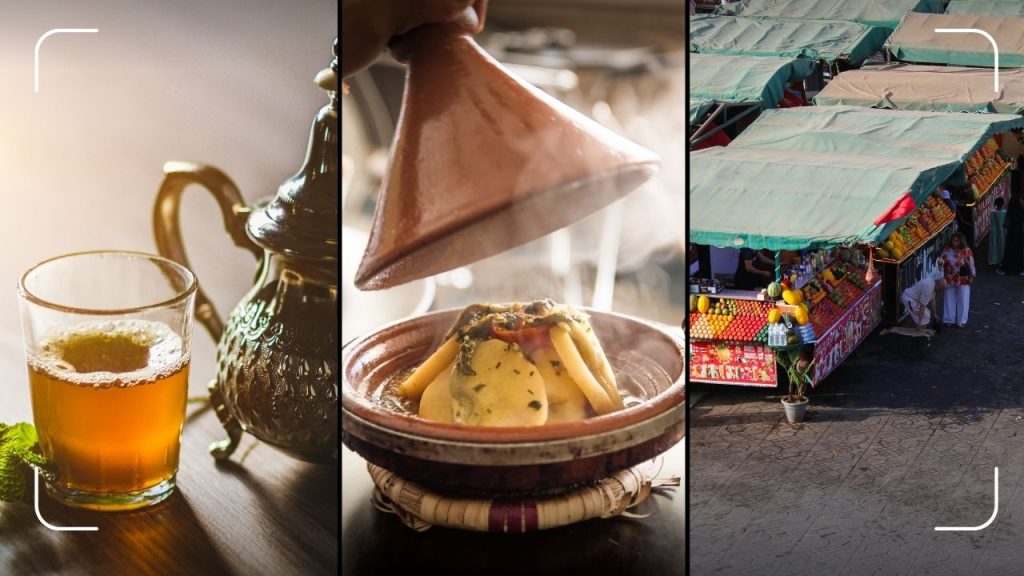
Moroccan mint tea is not just a drink — it’s hospitality. It’s offered at homes, shops, and during meetings. Tea is usually made with green tea, fresh mint, and sugar, and poured from height to aerate it. There’s no rush: tea means sitting, talking, and sharing time. You’ll drink it in the morning, after meals, and in the evening. Refusing tea is uncommon unless you have a reason.
Traditional Dishes: Tagine, Couscous & More
Tagine is a slow-cooked dish named after the clay pot it’s cooked in. Common versions include chicken with preserved lemon, beef with prunes, or vegetable tagine. Couscous is traditionally eaten on Fridays, served with vegetables and meat. Other everyday foods include harira soup, kefta (meatballs), rfissa, and grilled meats. Meals are usually shared, eaten slowly, and often with bread instead of cutlery.
Street Food vs Restaurants
Street food is popular and affordable, especially in busy areas. You’ll find grilled meats, sandwiches, msemen (flatbread), and fried snacks. Quality varies, so choose places with high turnover and locals eating there. Restaurants range from simple local spots to high-end dining. Tourist restaurants often look traditional but serve adapted menus. For real flavor, smaller neighborhood restaurants usually offer better value.
Markets and Local Food Spots
Local markets are where most people buy food. Fresh bread, olives, fruit, vegetables, and spices are sold daily. Bakeries are used for baking home-prepared dough, especially for bread. Eating near markets or outside tourist zones often means fresher food and fair prices. If locals are lining up, it’s usually a good sign.
Day Trips from Marrakech: Mountains, Desert & Coast
One of Marrakech’s biggest advantages is its location. From the city, you can reach very different landscapes in a short time: mountains, desert, valleys, and the Atlantic coast. These trips are best done with an early start and realistic timing.
Atlas Mountains & Berber Villages
The Atlas Mountains begin just south of Marrakech and are ideal for a day trip. Popular areas include the Ourika Valley, Asni, and Imlil. You’ll see mountain scenery, terraced fields, rivers, and traditional Berber villages. Visits often include short walks, viewpoints, and stops at local markets or homes. This is not about luxury, but about understanding rural life and geography. Weather is cooler than Marrakech, especially in winter, so layers are useful.
Desert Experiences: Merzouga vs Agafay
Many travelers ask about desert trips from Marrakech. Agafay is a rocky desert about 40 minutes away. It works well for a short experience: sunset, dinner, camel ride, or overnight camp. It’s convenient but not the Sahara.
Merzouga, near the Erg Chebbi dunes, is the real Sahara experience. It requires a multi-day trip crossing the Atlas Mountains, valleys, and kasbah towns. You get sand dunes, long distances, and a deeper sense of scale. Choose Agafay for limited time, Merzouga for a true desert journey.
Valleys, Kasbahs & Historic Routes
Historic routes south of Marrakech pass through places like Ait Ben Haddou, Ouarzazate, Skoura, and the Dades Valley. These areas show Morocco’s old caravan routes, fortified villages, and palm oases. Kasbahs were built for defense and trade, not tourism. This route combines landscapes, history, and architecture, but distances are long, so it’s better as a full-day trip or overnight journey.
Coastal & Long-Distance Trips from Marrakech
The Atlantic coast is reachable from Marrakech in a few hours. Essaouira is the most popular option, offering cooler air, seafood, and a relaxed pace. Agadir and Taghazout are farther but good for beach stays and surfing. These trips change the rhythm completely, making them ideal if you want a break from the city’s intensity.
Practical Travel Tips from a Moroccan Local Guide
These are simple, everyday tips we share with travelers to help them feel comfortable and avoid common misunderstandings while visiting Marrakech.
Cultural Etiquette & Respectful Travel
Morocco is welcoming, but respectful behavior matters. Dress modestly in public spaces, especially in the Medina and rural areas. You don’t need to dress traditionally, just avoid very revealing clothes. Always ask before taking photos of people. Greetings are important — a simple hello goes a long way. Public affection should stay discreet. Respect for religion is expected, particularly around mosques and during prayer times.
Shopping, Bargaining & Souk Etiquette
Bargaining is normal in souks, not in supermarkets or fixed-price shops. Start calmly, smile, and keep it friendly. If you’re not interested, say no politely and keep walking. Don’t promise to buy if you don’t plan to. Take your time, and remember that shopping is part of daily life for locals, not just a tourist activity.
Safety, Scams & Common Questions
Marrakech is generally safe, but stay aware in busy areas. Watch your belongings in crowded places like Jemaa el-Fna and souks. Avoid unofficial guides offering help. Taxis should agree on a price before starting. If something feels uncomfortable, step away — there’s no obligation to engage.
Ramadan, Holidays & Local Customs
Many restaurants in the Medina and Gueliz, along with hotels and riads, stay open, though smaller local spots close during the day.
Final Thoughts: Experiencing Marrakech the Right Way
Marrakech is not a place to rush or to see only through photos. The city reveals itself slowly — in conversations, daily routines, and small details you notice when you take your time. Walking without a fixed plan, sitting for tea, and observing local life often become the most memorable moments.
Respect for culture makes the experience richer. Simple gestures, patience, and openness go a long way. Morocco is more than famous landmarks and social media highlights. Beyond Marrakech, there are mountains, deserts, villages, and coastal towns that show different sides of the country.
Travel slowly, stay curious, and look beyond the obvious. When you do, Marrakech stops feeling overwhelming and starts to feel human — a place where history, tradition, and everyday life continue naturally, just as they have for generations.