March is one of the best months to visit Morocco. Temperatures become mild, spring landscapes start to bloom, and the strong summer heat has not yet arrived. In most cities, daytime temperatures range between 18–24°C, while mornings and evenings can drop to 8–12°C.
If you’re wondering what to wear in Morocco in March as a woman, the most important thing to understand is this: weather changes depending on the region. Marrakech does not feel the same as Casablanca. The Sahara Desert is completely different from the Atlas Mountains. Coastal wind can make 20°C feel cooler than expected.
Because of these regional differences, layering is essential. You may start the morning in a sweater, switch to a breathable shirt by midday, and need a jacket again after sunset. March weather is comfortable, but preparation makes all the difference.
As a local guide here in Morocco, I can reassure you: with practical, modest, climate-appropriate clothing, you will feel confident and comfortable throughout your trip.
Is March a Good Time to Visit Morocco?
Short answer: Yes. March is one of the best months to visit Morocco thanks to mild weather, green landscapes, and fewer crowds than peak spring season.
March sits between winter coolness and full spring warmth. Days are sunny and pleasant across most of the country, making sightseeing comfortable without extreme heat. Valleys turn green, gardens bloom, and the Atlas Mountains still hold snow at higher elevations — creating a strong contrast in scenery.
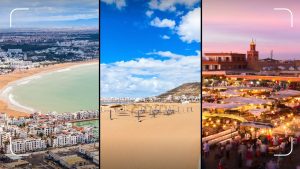
In northern cities like Tangier and Chefchaouen, temperatures remain fresh but enjoyable. Coastal cities such as Casablanca, Essaouira, and Agadir stay mild due to Atlantic breezes. Inland cities like Marrakech warm nicely during the day but cool quickly after sunset. In the Sahara Desert, days are warm while nights remain cold.
Compared to April and May, March sees slightly fewer tourists, meaning quieter medina walks and better hotel availability.
If you want balanced temperatures and beautiful landscapes without peak crowds, March is an excellent time to visit.
Weather in Morocco in March (By Region)
Understanding Morocco’s climate zones will help you pack correctly.
Marrakech & Inland Cities
Expect temperatures from 10°C in the morning to around 24°C in the afternoon. Mornings feel cool, especially inside shaded medina streets. Afternoons are warm under strong sunshine. Once the sun sets, temperatures drop quickly and evenings can feel cold, especially when dining outdoors. A light jacket or sweater is necessary at night.
Coastal Cities (Essaouira, Casablanca, Agadir)
Temperatures usually range between 14–22°C, but wind is the key factor. Atlantic breeze can make afternoons feel cooler than inland cities. Even on sunny days, coastal air remains fresh. A light jacket, windbreaker, or scarf is strongly recommended — especially in Essaouira, known for its wind.
Sahara Desert (Merzouga)
Daytime temperatures often reach 25–30°C under direct sun, but desert nights drop dramatically, sometimes to 7–9°C. Wind and sand are common in March. The sun feels strong during the day, but evenings at desert camps become cold quickly after sunset. This is where layering matters most.
Atlas Mountains
The Atlas Mountains stay cold in March. Snow is still possible at higher elevations. Daytime temperatures range between 10–16°C, while evenings can approach freezing. Sun exposure is strong at altitude, so sunglasses and sunscreen are necessary even when the air feels cool.
What Should Women Wear in Morocco in March?
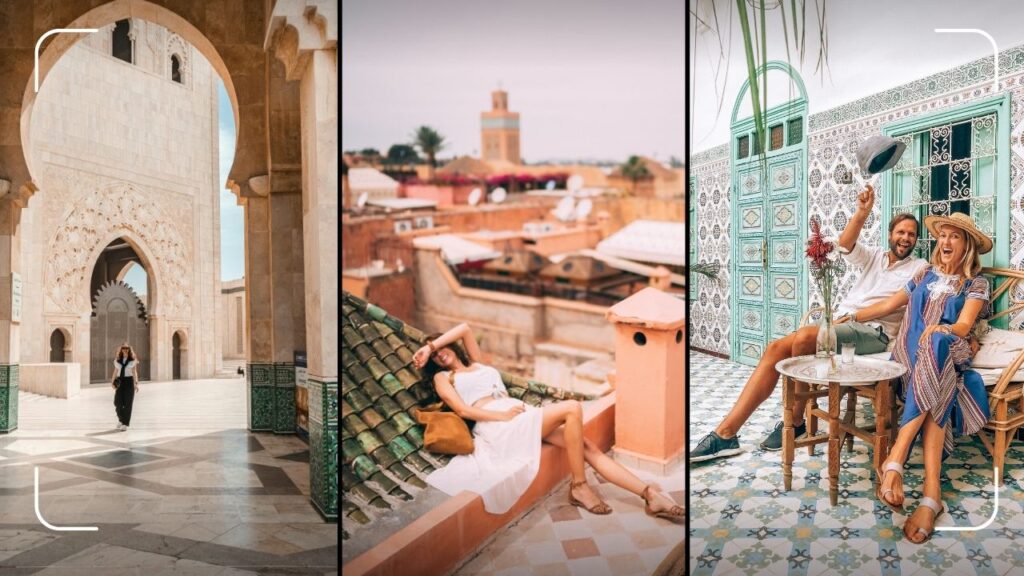
Quick answer: Women should wear breathable layers — long-sleeve tops, loose trousers or midi/maxi skirts, and a light jacket for cooler hours. In rural areas, clothing that covers shoulders and knees is recommended.
If you’re planning what to pack for Morocco in March as a woman, focus on comfort, modesty, and flexibility.
Tops
Long-sleeve shirts are ideal for both sun protection and cultural comfort. Choose breathable fabrics such as cotton or linen. T-shirts work well as base layers. Light sweaters, cardigans, or denim jackets are necessary for mornings and evenings. A scarf is extremely useful for wind, warmth, or visiting religious sites.
Bottoms
Wide-leg trousers are comfortable for walking in medinas. Jeans work well in cities. Maxi skirts allow airflow while remaining modest. Very short shorts are not recommended outside beach areas. Knee-length or longer options are more appropriate in smaller towns.
Dresses
Midi or maxi dresses are excellent choices in March. Flowy fabrics allow movement while staying comfortable. Add a lightweight jacket for temperature changes. Very tight or mini dresses are better reserved for hotel settings or major tourist areas.
Practical Outfit Ideas
- Midi dress + white sneakers + denim jacket.
- Wide-leg trousers + breathable blouse + light cardigan.
- Maxi skirt + simple T-shirt + scarf + sweater for evening.
These combinations work well across cities, deserts, and coastal areas.
How Conservative Is Morocco for Women?
Morocco is a Muslim-majority country but generally moderate and welcoming to visitors. There is no official dress code for tourists. However, modest clothing is appreciated.
In larger cities like Marrakech or Casablanca, you will see a mix of local and Western styles. In rural areas and small towns, dress tends to be more conservative. Covering shoulders and knees is a respectful guideline.
When visiting mosques (where entry is allowed), women should cover shoulders and legs. Some religious sites may require hair covering, so carrying a scarf is practical.
Swimwear is acceptable at hotel pools and beaches, but not while walking through town. A cover-up outside beach areas is recommended.
Dressing modestly helps reduce unwanted attention and shows cultural awareness.
What to Wear in the Sahara Desert in March
Desert conditions are different from city weather.
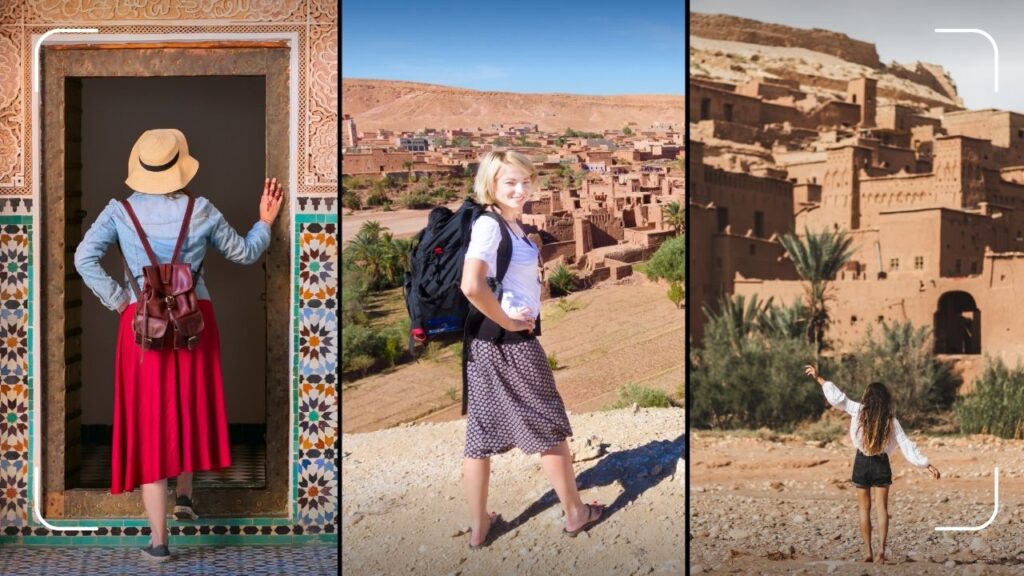
During the day, wear lightweight long trousers and breathable long-sleeve shirts. Closed shoes are important for sand and camel rides. A scarf protects against wind and blowing sand. Sunglasses are essential due to strong sunlight.
At night, temperatures drop sharply. Bring a warm sweater, fleece, or light puffer jacket. Evenings at desert camps can feel very cold once the sun sets.
Many travelers underestimate how cold desert nights can be in March.
What Shoes to Bring to Morocco in March
Comfortable walking shoes are essential. Medina streets are uneven and cobbled.
Sneakers are ideal for daily sightseeing. Sandals work for warmer afternoons, especially along the coast. Avoid high heels — they are impractical on stone streets.
If you plan to hike in the Atlas Mountains, bring proper hiking shoes with good grip. Otherwise, one strong walking shoe and one lighter option are enough.
Packing List for Morocco in March (Female)
Clothing
- 3–4 long-sleeve tops
- 2–3 breathable T-shirts
- 1–2 light sweaters or cardigans
- 2 pairs loose trousers or jeans
- 1 midi or maxi skirt
- 1–2 midi/maxi dresses
- Lightweight jacket
- Warm layer for desert or mountains
Shoes
- Comfortable sneakers
- Sandals or flats
- Hiking shoes (if needed)
Accessories
- 1–2 scarves
- Sunglasses
- Hat
- Crossbody bag
Toiletries
- Sunscreen
- Moisturizer
- Lip balm
- Personal essentials
Extras
- Reusable water bottle
- Travel adapter
- Small backpack for day trips
What NOT to Wear in Morocco in March
Avoid very short shorts in conservative areas. Crop tops are not recommended in rural towns. Heavy winter coats are unnecessary unless visiting the mountains. High heels are impractical on medina streets. Extremely tight or transparent clothing may attract unwanted attention.
Practical and modest clothing will make your experience smoother.
Frequently Asked Questions
Can women wear shorts in Morocco?
Yes, especially in tourist areas. However, knee-length or longer shorts are more appropriate outside beach zones.
Do I need to cover my hair in Morocco?
No, tourists are not required to cover their hair. A scarf is useful for visiting certain religious sites.
Can I wear leggings in Morocco?
Yes, especially under dresses or long tops. Avoid pairing tight leggings with very short shirts.
Is Morocco safe for solo female travelers?
Morocco is generally safe for solo female travelers. Dressing modestly and staying aware of your surroundings increases comfort.
What should women wear at night in March?
Evenings can be cool. Long trousers or a midi dress with a sweater or jacket are appropriate.
Final Tips from a Local Guide
March is one of the most balanced months in Morocco — comfortable days, cool evenings, and green landscapes. Focus on breathable layers, comfortable shoes, and modest silhouettes. Morocco is welcoming and used to international visitors.
With smart layering and respectful clothing choices, you’ll feel comfortable across cities, deserts, mountains, and coastal areas throughout March.