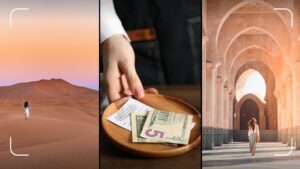
Choosing the right clothing in Morocco matters for two main reasons: culture and climate. Morocco is a Muslim-majority country where modest dress is appreciated, especially outside tourist resorts. At the same time, the weather changes significantly between cities, mountains, and the desert.
Travelers do not need to dress traditionally, but dressing respectfully and practically will help you feel comfortable and avoid unwanted attention. With the right balance, you can stay cool, respectful, and confident throughout your trip. check also our article about What to Wear in Morocco December.
Understanding Moroccan Dress Culture
Moroccan society values modesty. In large cities like Marrakech, Casablanca, and Fes, people dress more modernly, but conservative clothing is still common. In rural villages and small towns, modest dress becomes more important.
There is also a difference between locations:
- Beaches and hotel pools: Swimwear is acceptable.
- Medinas and city streets: Shoulders and knees are best covered.
- Desert and rural areas: Loose and modest clothing is recommended.
Note on Mosques
You are not expected to cover your hair unless visiting a mosque. However, most mosques in Morocco are closed to non-Muslims. The notable exception is the Hassan II Mosque in Casablanca, which allows guided tours. For that visit, full modesty (covering arms and legs) and a headscarf for women are required.
General Clothing Guidelines for Tourists
Choose Breathable Fabrics
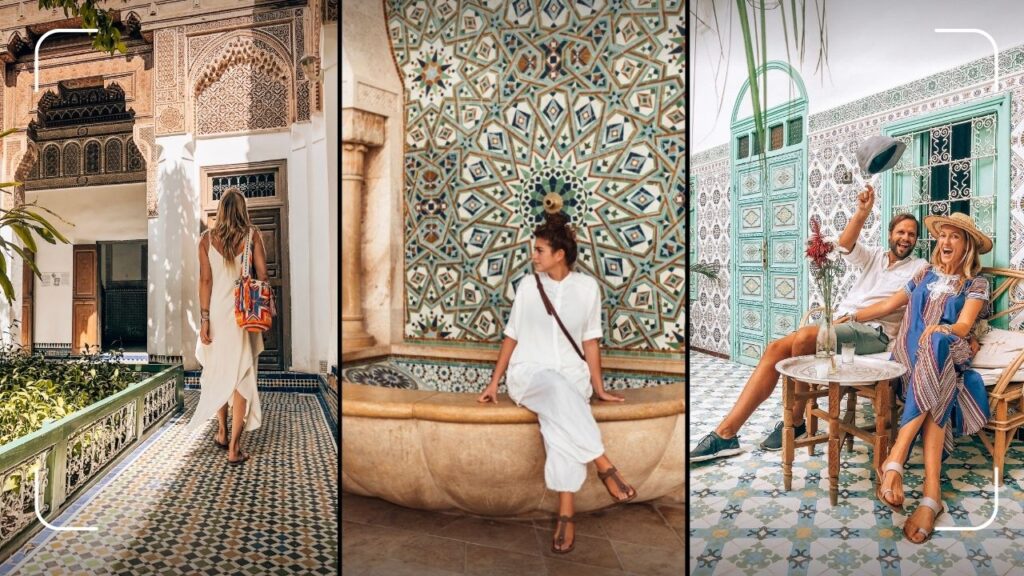
Opt for cotton and linen. Morocco can be very hot, especially from May to September. Natural fabrics allow airflow and keep you cooler than synthetic materials.
Loose Is Better
Loose clothing is both culturally appropriate and more comfortable in the heat.
The Scarf — Your Secret Weapon
Carry a lightweight scarf or pashmina. It works as instant modest coverage, protection from sun or dust, and an extra layer when temperatures drop.
Smart Footwear
Comfortable walking shoes are essential. Medina streets can be dusty in summer and muddy after winter rain — avoid delicate or white shoes.
What Women Should Wear in Morocco
For daily sightseeing, choose loose dresses, maxi skirts, light trousers, and tops that cover the shoulders. Tunics and flowy blouses work well.
For desert tours, long sleeves and loose pants are ideal for sun protection and comfort.
Swimwear is acceptable at hotel pools and beaches but should not be worn in public streets or traditional neighborhoods. we have also Can Ladies Wear Shorts in Marrakech?
What Men Should Wear in Morocco
Men can wear T-shirts, polos, or button-up shirts with lightweight trousers or chinos in cities.
Shorts are acceptable in tourist areas and at the beach. However, long pants (such as linen trousers) are more appropriate and respectful in traditional neighborhoods and rural areas.
For desert trips, long sleeves are actually more practical for sun protection.
What to Wear in Morocco by Season
| Season | Vibe | Pro Tip |
|---|---|---|
| Winter (Dec–Feb) | Sunny days, cold nights | Bring a real jacket; many riads feel cold indoors. |
| Spring (Mar–May) | Pleasant & comfortable | Perfect for layering — t-shirt + cardigan or pashmina. |
| Summer (Jun–Aug) | Intense heat | Loose, long clothing is cooler than shorts because it blocks the sun. |
| Autumn (Sept–Nov) | Warm days, cool nights | Mix short and long sleeves; keep a light jacket. |
Winter (December – February)
Average Temperature: 7°C – 20°C (45°F – 68°F)
Winter has sunny days but very cold mornings and nights. Many riads do not have central heating, so it can feel colder indoors than outdoors.
What to wear:
Long sleeves, sweaters, a medium jacket, and thermal layers if visiting the Atlas Mountains or Sahara. you can see also What to Wear in January in Marrakech for Ladies
Spring (March – May)
Average Temperature: 11°C – 26°C (52°F – 79°F)
Spring is mild and comfortable. Days are warm, evenings are cooler, and March may bring light rain.
What to wear:
Light cotton or linen clothing, trousers or maxi skirts, and a light jacket for evenings.
Summer (June – August)
Average Temperature: 18°C – 37°C+ (64°F – 98°F+)
Summer is very hot, especially inland in Marrakech and Fes, where temperatures often exceed 40°C (104°F).
What to wear:
Wide-leg pants, long airy dresses, breathable fabrics, a hat, and sunglasses. Avoid very short or revealing clothing — it offers little sun protection and may feel uncomfortable in crowded markets.
Autumn (September – November)
Average Temperature: 13°C – 28°C (55°F – 82°F)
Autumn is similar to spring with warm days and cooler evenings. November marks the beginning of the rainy season.
What to wear:
A mix of short and long sleeves, jeans or chinos, and a light jacket for evenings. check also our article about What to Wear in Morocco in November for Ladies
Desert & Mountain Special Packing
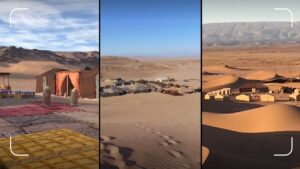
The Sahara Desert: Days are scorching, but nights can become freezing — especially in winter. Always pack a warm outer layer for desert camps.
The Atlas Mountains: These can be cold even in spring and autumn. Snow is common in winter at higher elevations. Layering is essential.
Quick Do’s and Don’ts
Do:
- Dress modestly in public areas (cover shoulders and knees)
- Choose breathable fabrics like linen
- Bring layers for temperature drops at night
Don’t:
- Wear revealing clothing in traditional or rural areas
- Walk around town in swimwear
- Wear delicate white shoes
Final Tips for Tourists
Dress respectfully but comfortably. Morocco is welcoming and used to international visitors. You do not need to change your style completely — just adapt slightly to the culture and climate.
With breathable fabrics and smart layering, you’ll stay comfortable and confident throughout your trip.