
Choosing between Casablanca and Marrakech as your arrival airport can shape your entire Morocco trip. This decision matters because it affects how much time you spend traveling inside the country, how smoothly your itinerary flows, and sometimes how much you actually spend overall—not just on flights, but on transfers and connections too.
There’s no single “best” airport for everyone. The right choice depends on three practical factors: your planned route, the flights available from your departure city, and the distance you’ll need to cover once you land. Flying into the wrong airport can mean adding several hours of road or train travel before your trip even really starts.
If your plans focus on Marrakech, the Atlas Mountains, or desert routes to places like Dades or Merzouga, one airport clearly makes life easier. If you’re arriving on a long-haul flight or planning a multi-city journey across Morocco, the other may be the smarter entry point. Understanding these differences upfront helps you avoid wasted time and build an itinerary that actually works on the ground.
The Short Answer: It Depends on Your Travel Plans
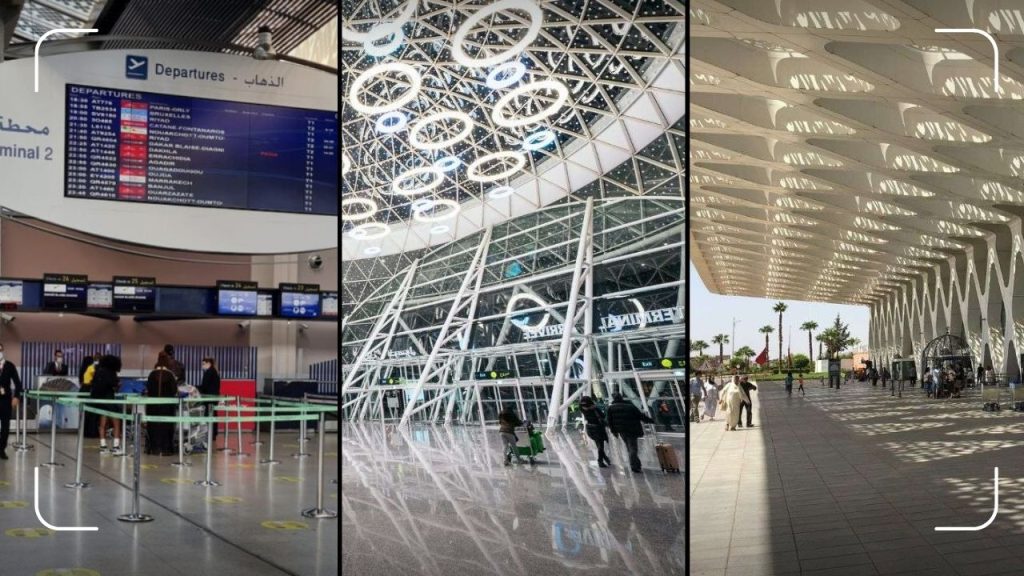
The short answer is simple: Marrakech is usually the better choice if your trip is centered on Marrakech itself, the Atlas Mountains, or classic desert routes, while Casablanca makes more sense for travelers arriving on long-haul international flights or planning a multi-city itinerary across Morocco. Marrakech works best when you want to land and start exploring right away—its airport is close to the city, transfers are short, and it’s the main departure point for Atlas and Sahara routes, which saves hours of backtracking. Casablanca, on the other hand, is Morocco’s main air hub, with far more intercontinental connections, but it often adds extra travel time once you arrive, especially if Marrakech or the desert is your real destination. Time, distance, and onward travel are the key deciding factors here: landing in Casablanca may give you a better flight option or lower ticket price, but you’ll likely need a train, domestic flight, or long road transfer to reach southern Morocco. Landing in Marrakech usually limits your flight choices but reduces internal travel dramatically if your itinerary stays in the south. From a local guide’s perspective, the mistake many travelers make is choosing purely based on the flight itself and not on what comes after landing. When you look at total travel time—airport to hotel, hotel to next destination, and how smoothly your route flows—the “best” airport becomes very clear based on your plans, not just the plane ticket.
Overview of Morocco’s Two Main International Airports
Morocco’s international air traffic is mainly split between Marrakech Menara Airport and Casablanca Mohammed V International Airport. Both handle large passenger volumes, but they serve very different travel needs. Marrakech is compact, tourism-oriented, and closely connected to southern Morocco routes. Casablanca is the country’s primary aviation hub, built for scale, long-haul traffic, and national connectivity. Understanding how each airport functions on the ground helps set realistic expectations for arrival time, transfers, and onward travel.
Marrakech Menara Airport (RAK)
Marrakech Menara Airport is located about 5–6 km from the city center, which means transfers to hotels or riads usually take 10 to 15 minutes. The airport is relatively small and easy to navigate, with short walking distances and a straightforward terminal layout. Most flights serve European cities and regional routes, including France, Spain, Italy, the UK, and nearby destinations. Long-haul flights are limited. Arrivals are generally quick, baggage claim is simple, and exiting the airport is fast compared to larger hubs. For travelers heading straight into Marrakech or south toward the Atlas Mountains and desert routes, the arrival process is usually smooth and efficient.
Casablanca Mohammed V International Airport (CMN)
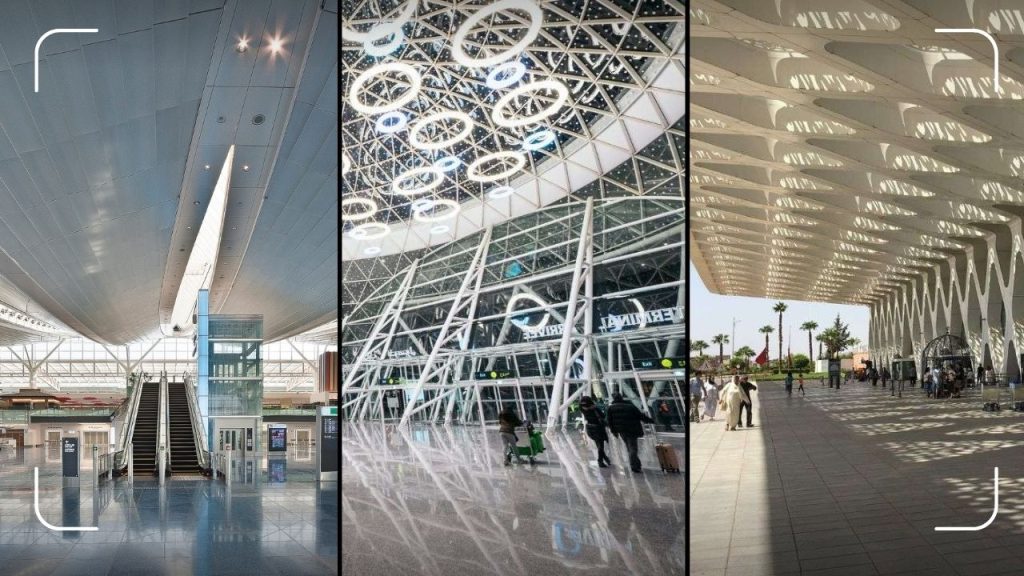
Casablanca Mohammed V International Airport is Morocco’s largest airport and the country’s main aviation hub. It handles the majority of long-haul flights, including routes from North America, Africa, and the Middle East, along with extensive European connections. The airport is located about 35 km south of the city, so reaching central Casablanca takes longer than in Marrakech. Due to its size, multiple terminals, and higher passenger volume, the airport is more complex to navigate. Immigration, baggage, and onward transfers typically take more time, especially during peak hours. Compared to Marrakech, the experience is less compact but far more connected internationally.
Quick Comparison: Casablanca vs Marrakech Airports
The table below is designed to help you quickly decide which airport fits your trip plans with minimal guesswork.
| Feature | Marrakech Menara Airport (RAK) | Casablanca Mohammed V Airport (CMN) |
|---|---|---|
| Distance to city center | 10–15 minutes | About 35 km |
| Best for first-time visitors | Yes | Not ideal |
| Best for desert tours | Excellent | Requires extra travel |
| Best international connections | Limited | Excellent |
| Overall convenience | High | Moderate |
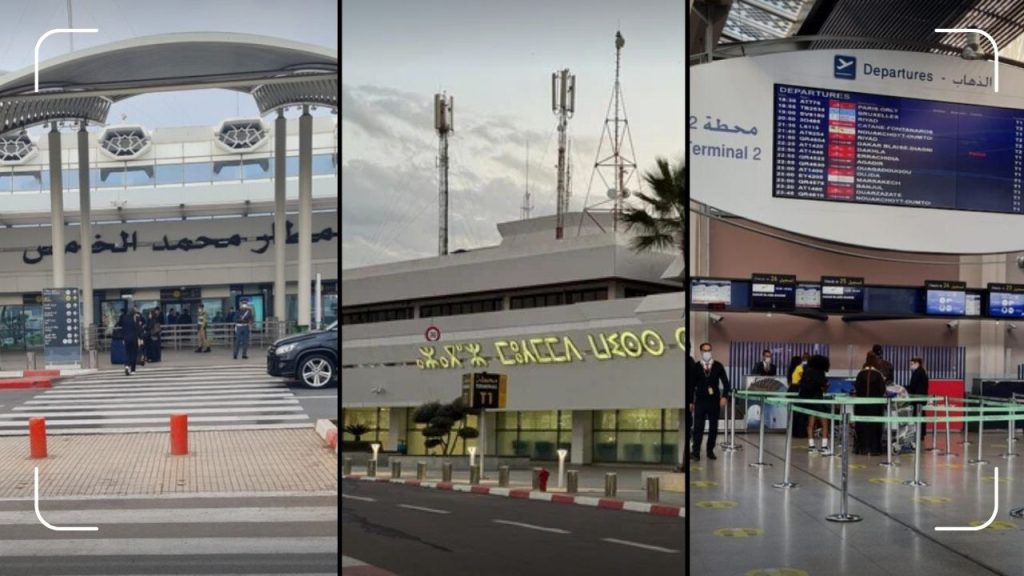
In simple terms, Marrakech Menara Airport wins for ease and speed, while Casablanca Mohammed V International Airport wins for global connectivity but adds extra travel time on arrival.
Flight Options and Prices: What Matters in Practice
When it comes to flight options, Casablanca clearly has the advantage in terms of direct international connections. As Morocco’s main aviation hub, Casablanca offers far more nonstop long-haul flights from North America, West and Central Africa, and the Middle East, along with dense European coverage. Marrakech, by contrast, is mainly served by European and regional routes, with very limited long-haul options. For many travelers, this alone determines where they land.
Seasonality also plays a role. Marrakech sees a big increase in flights during peak tourist seasons—spring and autumn especially—when European demand is high. Outside these periods, some routes are reduced or operate fewer days per week. Casablanca is far more stable year-round, with consistent schedules regardless of season, which makes it more reliable for fixed travel dates or complex itineraries.
Price is where many travelers get caught out. Flights into Casablanca are often cheaper, especially for long-haul travelers, but the savings can disappear once you factor in onward travel. Landing in Casablanca and then continuing to Marrakech or southern Morocco usually means adding a train ticket, a domestic flight, or a long road transfer. That extra travel can easily add half a day—or more—to your trip. A slightly more expensive flight into Marrakech can end up being the faster and more efficient option overall.
Your flight choice directly affects how your itinerary works on the ground. Arriving in Marrakech allows you to start city visits, Atlas trips, or desert tours almost immediately. Arriving in Casablanca makes more sense if Casablanca, Rabat, Fes, or Tangier are already part of your route, or if you’re planning a loop across multiple regions. From a local guide’s point of view, the key is to look beyond the ticket price and consider total travel time, connections, and how smoothly your first day in Morocco will unfold.
Getting from the Airport to Your Hotel or Next Destination
Getting from the airport to your accommodation or onward destination is where the real difference between Morocco’s two main airports becomes clear. Marrakech is built for fast, simple transfers, while Casablanca requires more planning due to distance and scale. Understanding transfer times, transport options, and realistic connections helps you avoid delays, especially on arrival day.
Transport from Marrakech Airport
Marrakech Menara Airport is very close to the city, and taxi travel to most hotels and riads typically takes 10 to 15 minutes, depending on traffic and neighborhood. Official airport taxis are readily available outside the terminal, and transfer times are short even during busy hours. Most accommodations inside the medina, Gueliz, and Hivernage are easily reachable by car, with many riads arranging a pickup point just outside the old city walls. Because of the short distance and simple road layout, transfers are rarely complicated. For travelers continuing south toward the Atlas Mountains or starting a desert tour the same day, departures from Marrakech are direct and time-efficient. This proximity makes Marrakech one of the easiest airports in Morocco for same-day arrivals and onward travel.
Transport from Casablanca Airport
Casablanca Mohammed V International Airport is located about 35 km from the city, so transfers take significantly longer. Reaching central Casablanca by taxi usually takes 45 to 60 minutes, depending on traffic. The airport is also connected by a dedicated train line, which is often faster and more predictable during peak hours, with travel times of around 35 minutes to main stations. For travelers continuing to another city—such as Marrakech, Rabat, or Fes—additional time must be planned. High-speed and regular trains run frequently, but connections typically add several hours to the journey. Unlike Marrakech, same-day onward travel from Casablanca requires careful scheduling to avoid long waits or missed connections.
Which Airport Is Best for Your Type of Trip?
Choosing the right airport becomes much easier when you start from your itinerary, not from flight prices alone. Below is clear, decision-based guidance based on how travelers actually move around Morocco and where time is usually lost or saved.
Trips Focused on Marrakech, Atlas Mountains, and the Desert
If your trip is centered on Marrakech, the Atlas Mountains, or classic desert routes, flying into Marrakech is the most efficient option. The airport’s proximity to the city means you avoid unnecessary transfers and can begin your itinerary almost immediately. Desert tours toward Ait Ben Haddou, Dades Valley, or Merzouga typically depart directly from Marrakech early in the morning, which makes arrival logistics much simpler. Landing elsewhere often adds a full day of repositioning before the tour even starts. From a practical standpoint, Marrakech minimizes road time, reduces fatigue on arrival day, and keeps your route moving south without backtracking.
Multi-City Trips Across Morocco
For itineraries that include multiple cities—such as Casablanca, Rabat, Fes, Tangier, and Marrakech—Casablanca can make logistical sense. Casablanca is Morocco’s main transport hub, with strong rail and road connections in all directions. High-speed and standard trains link Casablanca efficiently to Rabat, Tangier, and Fes, while highways connect easily to Marrakech. If your route is designed as a loop or north-to-south journey, arriving in Casablanca allows smoother sequencing between cities. In these cases, the extra airport distance is offset by better national connectivity and fewer internal repositioning gaps.
Long-Haul Travelers from North America or Africa
Travelers arriving from North America or many African countries are often better served by Casablanca due to direct long-haul flight availability. Casablanca handles the majority of intercontinental routes, which reduces the need for multiple connections through Europe. Fewer layovers generally mean lower risk of delays, missed baggage, or arrival fatigue. While onward travel is still required if your final destination is elsewhere, starting in Casablanca often results in a more reliable international arrival. For long-haul travelers, minimizing flight segments usually outweighs the inconvenience of an extra transfer on the ground.
Short Stays and First-Time Visitors
For short trips or first-time visitors, Marrakech is usually the smarter choice. Limited travel time means every hour matters, and Marrakech offers one of the fastest airport-to-hotel transitions in the country. The arrival process is simpler, distances are shorter, and navigating transfers is easier for those unfamiliar with Morocco. When the goal is to see highlights quickly without complex logistics, landing in Marrakech keeps the experience efficient and manageable from day one.
Practical Travel Details Most Articles Skip
Arrival timing matters more than most travelers expect. Both Marrakech and Casablanca experience peak arrival windows, typically late morning to early afternoon and again in the evening. During these hours, immigration lines are longer, baggage delivery slows down, and taxis or trains may involve waiting. If you arrive during peak periods, add at least 30–60 minutes to any planned onward connection, especially in Casablanca.
Connection timing is the biggest risk factor, particularly for travelers landing in Casablanca and continuing the same day. Delays on international flights are common, and tight connections to trains or domestic flights can easily be missed. A realistic buffer is essential: at least 3 hours between landing and a train departure, and 4 hours if connecting to a domestic flight. Anything shorter leaves little room for delays, luggage issues, or terminal changes.
Same-day onward travel is realistic, but only in specific situations. From Marrakech Airport, same-day hotel check-in or even a late-afternoon departure toward nearby Atlas destinations is usually manageable. Starting a long desert route the same day is possible only with an early morning arrival; otherwise, an overnight stay in Marrakech is the safer option. From Casablanca Airport, same-day travel to Rabat is easy, but reaching Marrakech, Fes, or Tangier on arrival day requires careful scheduling and usually results in a long travel day.
Domestic flights versus trains is another area where expectations often don’t match reality. Domestic flights save time on paper, but in practice they require early airport arrival, security checks, and possible delays. For routes like Casablanca–Marrakech or Casablanca–Fes, high-speed or standard trains are often more reliable and predictable. Trains run frequently, city-center to city-center, and remove the need for extra airport transfers. Domestic flights make sense mainly for longer distances or when schedules align perfectly with your arrival.
The key takeaway is to plan arrival day conservatively. Build buffers, avoid tight connections, and assume that the first day is about positioning—not sightseeing. This approach prevents stress and keeps the rest of the itinerary on track.
Common Mistakes Travelers Make When Choosing an Airport
One of the most common mistakes is choosing an arrival airport based only on the ticket price. Flights into Casablanca are often cheaper, especially for long-haul travelers, but that saving can disappear quickly once you add the cost and time of trains, domestic flights, or long road transfers. A slightly more expensive flight into Marrakech can result in a shorter, smoother trip overall.
Another frequent error is ignoring transfer distances. Many travelers underestimate how far Casablanca Airport is from the city and how long it takes to reach other destinations from there. What looks close on a map can mean an extra half day of travel in reality. In contrast, Marrakech Airport’s proximity often makes it far more efficient for southern routes, but this advantage is overlooked when comparing flights online.
Overestimating airport convenience is also common. Casablanca is a major international hub, but that doesn’t mean it’s easy or fast on arrival. Larger terminals, heavier traffic, and longer processing times can slow everything down. Travelers often assume that a bigger airport equals a smoother experience, when in Morocco the opposite is often true.
Finally, poor itinerary sequencing causes unnecessary backtracking. Flying into one city without considering where the trip actually starts or ends leads to wasted time on trains and highways. The most efficient trips are planned around destinations first, with the airport chosen to support the route—not the other way around.
A Local Guide’s Recommendation
From a local guide’s perspective, the best airport choice always starts with how you plan to travel inside Morocco. If your trip is focused on Marrakech, the Atlas Mountains, or desert routes, arriving in Marrakech is usually the most practical option. It saves time, simplifies transfers, and allows your itinerary to begin immediately without unnecessary repositioning. For travelers with limited time, this efficiency makes a noticeable difference.
If your plans involve several cities—especially in northern or central Morocco—Casablanca often fits better. Its role as a national transport hub makes it easier to connect by train or road to Rabat, Fes, Tangier, and beyond. For long-haul travelers, Casablanca’s direct international flights also reduce the need for multiple connections, which can make arrival more predictable.
The key is to plan the route first and choose the airport second. Decide where you want to start, where you want to finish, and how much time you realistically have for travel days. When the airport supports the flow of your itinerary, the trip feels smoother and less rushed. There is no universally “better” airport—only the one that best matches your travel style, time frame, and destinations.
Frequently Asked Questions
Can I fly into one airport and leave from the other?
Yes, flying into one airport and departing from the other is very common in Morocco. Many travelers arrive in Casablanca and leave from Marrakech, or the opposite, depending on their route. This works especially well for one-way itineraries that move north to south (or vice versa) and helps avoid backtracking. The key is to align your arrival airport with your starting city and your departure airport with your final stop.
Which airport is better for desert tours?
Marrakech Airport is clearly the better option for desert tours. Most Sahara and pre-Sahara routes—including Ait Ben Haddou, Dades Valley, Todra Gorge, and Merzouga—start directly from Marrakech. Arriving in Casablanca first usually means adding a long transfer or an overnight stay before the tour begins. For desert-focused trips, Marrakech saves both time and energy.
Does a bigger airport mean more convenience?
Not in Morocco. Casablanca Airport is larger and has more international flights, but that also means longer walking distances, more passengers, and more complex transfers. Marrakech Airport is smaller, easier to navigate, and much closer to the city. For most travelers, especially first-time visitors, the smaller airport is actually more convenient on arrival.
How easy is internal travel after arrival?
Internal travel is generally efficient, but it depends on where you land. From Casablanca, trains connect well to major cities like Rabat, Fes, Tangier, and Marrakech, but you must factor in transfer time from the airport to the station. From Marrakech, road travel toward the Atlas Mountains and southern Morocco is direct and straightforward. Domestic flights exist, but trains and private road transfers are often more reliable and time-efficient in practice.
Is same-day onward travel recommended?
It can be, but only with realistic timing. Same-day travel from Marrakech to nearby destinations is usually manageable. From Casablanca, same-day connections require careful planning and generous buffers. When in doubt, overnight near your arrival airport and start long journeys the following day.
Final Thoughts: Choosing the Right Airport for Your Morocco Trip
Choosing between Casablanca and Marrakech comes down to a few practical factors: where your trip starts, how much time you have, and how far you need to travel after landing. Flight availability matters, but total travel time, transfer distance, and onward connections matter more once you are on the ground.
Marrakech is usually the better choice for trips focused on the south, the Atlas Mountains, or the desert, thanks to its proximity and straightforward arrivals. Casablanca makes sense for long-haul travelers and multi-city routes where national rail and road connections are part of the plan.
The most reliable way to choose is to plan your destinations first and then select the airport that supports that route. When the airport matches the flow of your itinerary, the trip starts smoothly and stays efficient. In Morocco, the right airport is not about prestige or size—it is about practicality and smart planning.