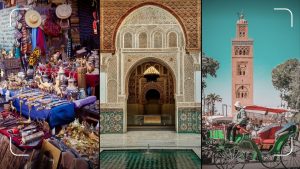
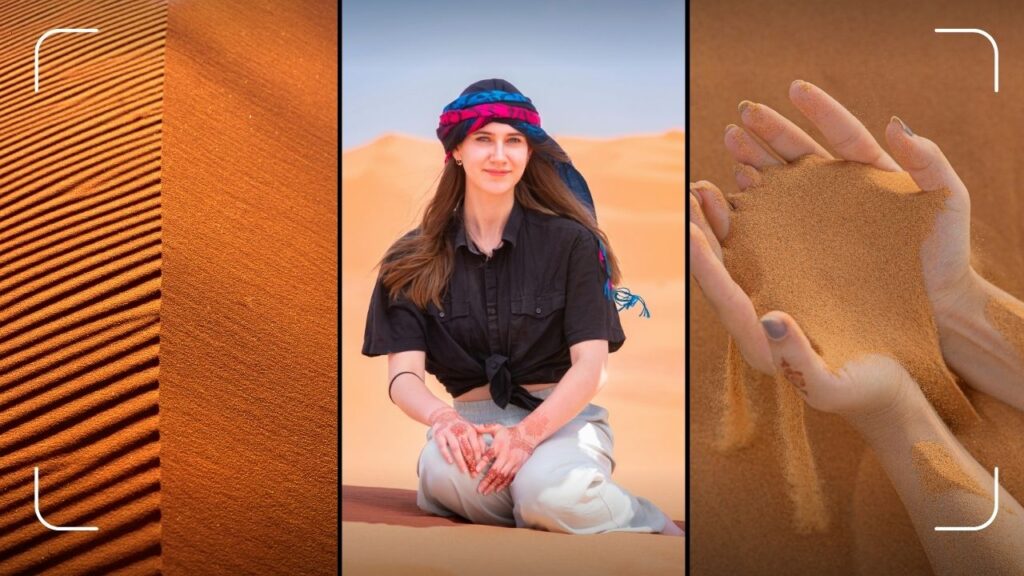
The Morocco desert refers to the vast Sahara region located in the southeastern part of the country. It is a stunning landscape characterized by towering sand dunes, rocky plateaus, and hidden oases. Key areas like Merzouga, home to the famous Erg Chebbi dunes, and Zagora or Erg Chigaga represent the diverse faces of the Moroccan Sahara. This region is a cultural and geographical cornerstone of North Africa, offering travelers a glimpse into the ancient nomadic way of life.
Where Is the Morocco Desert Located?
The Morocco desert is primarily situated in the Drâa-Tafilalet region, stretching along the southeastern border near Algeria. It is a significant distance from the coastal and northern hubs; for instance, the journey from Marrakech typically takes approximately 9 to 10 hours by road. The desert is accessed through gateway towns that serve as the final outposts of civilization before the wilderness begins.
Key Gateway Locations:
- Merzouga: The primary entry point for the high dunes of Erg Chebbi.
- Zagora: A historical caravan stop located in the Draa Valley.
- M’Hamid El Ghizlane: The starting point for expeditions into the remote Erg Chigaga.
Before heading out, many travelers ask is it safe to drive in Morocco as a tourist when navigating these long mountain passes and desert roads.
Is the Morocco Desert Part of the Sahara?
Yes, the Morocco desert is a definitive part of the Sahara, the world’s largest hot desert. Specifically, the regions of Merzouga and Erg Chebbi are authentic Saharan landscapes. There is often confusion regarding Zagora; while it is a desert environment, it is technically considered “pre-Saharan” or a gateway zone, as the massive sand dunes are further south. If you are debating between the two, you might find our guide on Sahara Desert: Merzouga or Zagora helpful for your itinerary.
What Does the Morocco Desert Look Like? (Landscape Explained)
A common myth is that the Morocco desert is nothing but endless sand. In reality, the landscape is a complex mosaic of different terrains that have been shaped over millennia. According to the UNESCO World Heritage Centre, these arid lands protect vital cultural and natural histories.
- Sand Dunes (Ergs): The iconic orange and gold waves of sand that people associate with the Sahara.
- Rocky Plains (Hamada): Vast, flat expanses of black and brown stones that make up a large portion of the desert.
- Oases and Valleys: Lush pockets of greenery and palm groves fed by underground springs, like the Ziz Valley.
- Salt Flats: Dry lake beds that create shimmering, white crystalline surfaces.
Types of Desert in Morocco
Merzouga Desert (Erg Chebbi)
This is the most iconic desert destination in Morocco. The dunes here reach heights of up to 150 meters, providing the “real Sahara experience” most tourists dream of. It is perfectly safe for visitors, and many choose to stay in luxury camps—you can learn more in our post: is Merzouga desert safe.
Zagora Desert
Located closer to Marrakech, Zagora features smaller dunes and a more “hamada” (rocky) landscape. It is ideal for those on a tight schedule. If you are unsure of the geography, see our detailed breakdown: is Zagora in the Sahara Desert.
Erg Chigaga Desert
For those seeking a wild, remote, and less touristy adventure, Erg Chigaga offers larger untouched dunes. It requires a 4×4 vehicle to reach and provides a sense of isolation that is hard to find elsewhere.
Why Is the Morocco Desert Famous?
The Morocco desert is world-renowned for its breathtaking beauty and the unique experiences it offers. It was historically a vital part of the Timbuktu caravan routes, where gold and salt were traded across the continent. Today, it is famous for:
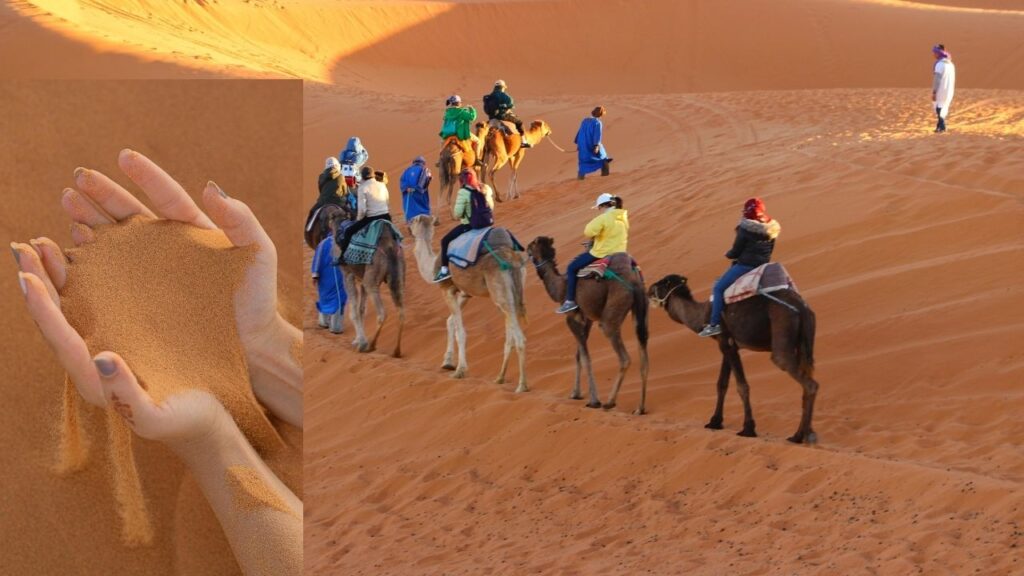
- Camel Trekking: Moving through the dunes at the pace of the ancients.
- Luxury Desert Camps: Glamping under the stars with modern comforts.
- Starry Skies: Zero light pollution makes it one of the best places on Earth for stargazing.
- Berber Culture: Engaging with the indigenous people who have mastered life in extreme conditions.
What Can You Do in the Morocco Desert?
The desert is a playground for adventure and cultural immersion. If you are planning what to visit in Morocco, the Sahara should be at the top of your list.
- Camel rides at sunset: The classic way to witness the changing colors of the dunes.
- Overnight desert camps: Sleep in traditional tents and enjoy live Berber music.
- 4×4 desert tours: Explore the diverse landscapes of the “Black Desert” and find fossils.
- Sandboarding: Sliding down the steep faces of the Erg Chebbi dunes.
- Visit nomad villages: Meet families who still live a traditional nomadic lifestyle.
Wildlife and Nature in the Morocco Desert
Despite the harsh environment, the desert is home to a variety of specialized wildlife. You can spot Fennec foxes (desert foxes), various reptiles, and migratory birds. The flora is equally resilient, with acacia trees and tamarisks dotting the horizon, having adapted to survive with minimal water. Understanding these ecosystems is part of what you should know about Moroccan people and their respect for the land.
When Is the Best Time to Visit the Morocco Desert?
The best time to visit is during the shoulder seasons: Spring (March to May) and Autumn (September to November). During these months, the daytime temperatures are pleasant. You should avoid the peak of summer, as temperatures can exceed 45°C (113°F). Conversely, winter nights can be surprisingly cold, often dropping toward freezing, so packing layers is essential.
Morocco Desert vs Other Deserts
| Feature | Morocco (Sahara) | Dubai (Arabian) | Egypt (Sahara) |
|---|---|---|---|
| Dune Height | Very High (150m+) | Moderate | High |
| Culture | Berber/Amazigh | Bedouin | Ancient/Bedouin |
| Accessibility | 9-hour drive from city | 1-hour drive from city | Varies |
| Landscape | Ergs and Hamada | Mostly Sand | Sand and White Desert |
Is the Morocco Desert Worth Visiting?
Absolutely. The Morocco desert offers a unique blend of accessibility, safety, and deep cultural heritage that is difficult to find in other Saharan countries. It provides a profound sense of peace and a connection to nature that stays with you long after you leave the dunes.
FAQ
Is Morocco a desert country?
No, Morocco is a geographically diverse country with Atlantic and Mediterranean coasts, the high Atlas Mountains, and fertile plains. The desert occupies the southeastern portion of the country.
How far is the Sahara from Marrakech?
It is approximately 350km to 550km depending on your destination (Zagora vs Merzouga), which translates to a 7 to 10-hour drive due to the mountain roads.
Can you visit the desert in 2 days?
You can visit Zagora in 2 days (1 night), but it involves a lot of driving. To see the high dunes of Merzouga, a minimum of 3 days is recommended.
Which desert is best in Morocco?
Merzouga (Erg Chebbi) is best for those wanting the classic “high dunes” experience. Erg Chigaga is best for those seeking a rugged, off-the-beaten-path adventure.
Is it safe to visit the Morocco desert?
Yes, it is very safe. The tourism infrastructure is well-developed, and Moroccans are friendly to tourists, especially in the hospitable desert communities.
Final Verdict
The Morocco desert is more than just a destination; it is an experience that defines many people’s trips to North Africa. Whether you are seeking adventure, culture, or simply a quiet moment under the stars, the Sahara delivers. For more planning tips, check our guide on Marrakech Morocco Travel to start your journey.