Traveling to a new country is not just about seeing beautiful places; it is also about meeting the locals. If you are planning a trip to North Africa, understanding the local culture will make your experience much better. Here is everything you need to know about Moroccan people, their values, and their way of life.
Who Are Moroccan People?
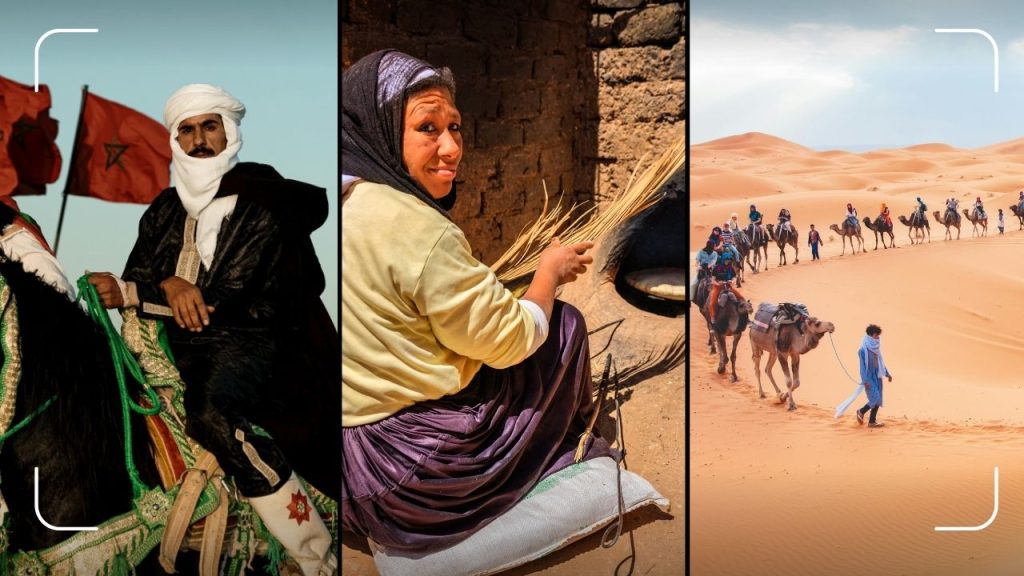
Moroccan people are a diverse, welcoming blend of Arab, Amazigh (Berber), Sahrawi, Andalusian, and African ethnic groups. With a population of over 37 million, they beautifully balance deep-rooted cultural traditions with modern daily life, offering unique experiences from bustling northern cities to the peaceful southern Sahara.
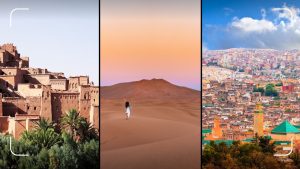
The culture changes depending on where you go. The fast-paced lifestyle in Marrakech or Fes is very different from the quiet, traditional life you will find if you visit the Sahara Desert, whether in Merzouga or Zagora. Despite these regional differences, a strong national identity brings everyone together.
Note: Population data is based on estimates from the World Bank.
Are Moroccan People Friendly to Tourists?
- Yes, Moroccans are extremely friendly and welcoming to tourists.
- Hospitality is a core part of their culture and religion.
- Locals believe that a “guest is a gift from God.”
- It is common for visitors to be invited for tea or meals.
- People in rural areas often show even more genuine, relaxed hospitality than those in busy tourist hubs.
While sellers in the souks (markets) can sometimes be pushy, this is just their business style. In general daily life, you will find that Moroccans are kind, helpful, and eager to share their culture with you.
Moroccan Hospitality Explained
To truly understand Moroccan people, you must experience their hospitality. Here is what you can expect:
- The Mint Tea Ritual: Offering sweet Moroccan mint tea (often called “Moroccan whiskey”) is the ultimate sign of welcome. It is poured from high up to create a foam.
- Inviting Guests Home: Do not be surprised if a shop owner or a new local friend invites you to their home for a meal.
- Generosity Traditions: Hosts will always offer more food than you can eat. It is their way of making sure you are fully satisfied.
- Family-Centered Lifestyle: Guests are treated like family. You will often be introduced to parents, children, and extended relatives.
- Respect for Elders: Older people are highly respected in Moroccan society. You will notice locals speaking softly and showing great manners to seniors.
Religion and Daily Life in Morocco
Islam plays a major role in the daily lives of Moroccan people. The religion shapes their values, schedule, and laws. Five times a day, you will hear the beautiful Adhan (call to prayer) echoing from the mosques.
During the holy month of Ramadan, customs change significantly. Locals fast from sunrise to sunset, meaning many cafes and shops close during the day and come alive at night. As a visitor, you are not expected to fast, but it is respectful to avoid eating, drinking, or smoking in public spaces during daylight hours in Ramadan. Throughout the year, dressing modestly and acting respectfully near religious sites is always appreciated.
Family Values and Social Structure
Family is the absolute center of Moroccan life. Individual needs usually come second to the needs of the family group.
- Multi-generational households: It is very common for grandparents, parents, and children to live in the same house or building.
- Marriage traditions: Weddings are massive, multi-day celebrations that bring the whole community together.
- Community bonds: Neighbors treat each other like extended family, constantly sharing food and helping one another in times of need.
How Moroccans Communicate
Moroccans are great communicators and are often very impressive with languages. Their communication style is generally polite and sometimes indirect, as they want to avoid causing offense. Body language, like placing a hand over the heart after shaking hands, shows warmth and sincerity.
Here is a breakdown of the main languages spoken in Morocco:
| Language | How It Is Used |
|---|---|
| Darija (Moroccan Arabic) | The main everyday language spoken by most of the population. |
| Amazigh (Berber) | An official language, widely spoken in the mountains and desert regions. |
| French | The main language for business, higher education, and government. |
| English | Growing rapidly, especially among the youth and in the tourism sector. |
| Spanish | Commonly spoken in northern cities like Tangier and Tetouan. |
Are Moroccans Conservative?
Morocco is a moderate Islamic country, meaning it has a balance of conservative values and modern lifestyle. There is a big difference between urban and rural areas. In big cities like Casablanca or Marrakech, youth culture is quite modern. However, in smaller villages, traditions remain very strict.
When it comes to clothing, it is best to be respectful. You might wonder, can I hold my girlfriend’s hand in Morocco? Public displays of affection, like holding hands, are generally fine for married or established couples, but kissing in public is frowned upon.
Moroccan Work Culture and Daily Routine
The work culture in Morocco is generally more relaxed than in Western countries.
- Business hours: Most offices work from 9:00 AM to 5:00 PM.
- Friday prayer impact: Friday is the holy day. Many businesses close for a few hours in the early afternoon so people can attend the mosque and eat couscous with their families.
- Siesta culture: While not an official rule, the pace of life slows down during the hot afternoon hours, especially in the summer.
- Market culture: The souks are the heart of commerce. Buying and selling here is a social event that includes chatting, drinking tea, and bargaining.
Common Misconceptions About Moroccan People
There are several myths about Moroccan people that simply are not true:
- “All Moroccans are the same”: Morocco is incredibly diverse. An Amazigh person from the Atlas Mountains has different traditions than an Arab person from Casablanca.
- Overgeneralization about religion: While it is a Muslim country, Moroccans are known for being tolerant. There is a historic Jewish community, and the country is open to people of all faiths.
- The aggressive selling myth: While sellers in tourist squares can be loud, this is a sales tactic, not aggression. A simple, polite “No, thank you” (La, shukran) is usually enough.
- Safety myths: Many people worry about safety, but violent crime is very rare. Whether you are wondering is Marrakech safe for couples or traveling alone, Morocco is generally a very secure destination.
How to Respect Moroccan Culture as a Visitor
Showing respect to the locals will make your trip much more enjoyable. Here are a few simple tips:
- Dress modestly: Know what to wear in Morocco as a tourist by keeping your shoulders and knees covered, especially outside of your hotel.
- Greet properly: Always say hello (Salam) before asking a question.
- Accept tea politely: If offered mint tea, try to accept it. It is a sign of friendship.
- Ask before taking photos: Always ask permission before taking a picture of a local person or their shop.
- Bargain with a smile: Haggling is expected in the markets, but keep it friendly and fun, not angry.
What Surprises Tourists Most About Moroccan People
Tourists are almost always surprised by the deep warmth of the Moroccan people. Locals have a fantastic sense of humor and love to joke with visitors. Their multilingual ability is also shocking to many; it is common to meet a shopkeeper who can switch between Arabic, French, English, and Spanish perfectly. Above all, tourists are moved by the strong pride Moroccans have in their culture, food, and King.
Quick Facts About Moroccan People
- Population: Over 37 million people.
- Main languages: Darija (Moroccan Arabic), Amazigh, French.
- Religion: Islam (Sunni).
- Ethnic groups: Arab-Amazigh mix.
- Currency: Moroccan Dirham (MAD).
- Hospitality reputation: Ranked among the most welcoming countries globally.
(For more official travel guidelines, visit the Moroccan National Tourist Office.)
FAQs
Are Moroccan people welcoming?
Yes, Moroccan people are famously welcoming. Hospitality is a core cultural and religious value. Many tourists are surprised by how often locals offer help, share food, or invite them for mint tea. Just be polite, smile, and you will experience their genuine warmth everywhere you go.
Is Morocco safe for foreigners?
Yes, Morocco is generally very safe for foreigners. Violent crime against tourists is rare. The most common issues are minor scams or pickpocketing in crowded markets. If you use basic street smarts, dress respectfully, and stay aware of your surroundings, you will have a safe trip.
How do Moroccans treat women tourists?
Moroccans generally treat women tourists with respect. However, female travelers might experience some verbal attention or staring in busy areas. Dressing modestly helps minimize unwanted attention. Check out our guide to see if Morocco is safe for solo female travelers. Overall, local families are very kind to respectful visitors.
Can you visit a Moroccan home?
Yes, it is very common for tourists to be invited to a Moroccan home, especially if you make a local friend or hire a guide. If invited, it is polite to bring a small gift like pastries or fruit. Remember to take off your shoes before entering.
Do Moroccan people speak English?
Yes, many Moroccan people speak English, especially in the tourism industry, hotels, and major cities like Marrakech or Fes. Younger generations are also learning English rapidly. However, in rural areas, French and Arabic are much more common, so learning a few basic Arabic words is helpful.