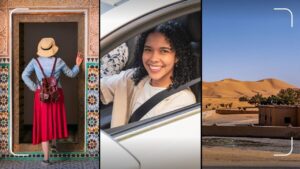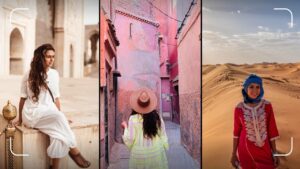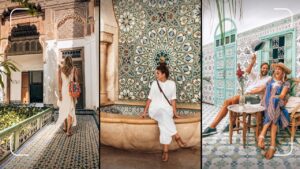
Deciding what to wear in Morocco as a tourist is a balance between personal comfort, weather protection, and cultural respect. While Morocco is an incredibly welcoming destination, it is also a country where modesty is valued. By choosing lightweight, breathable layers and versatile clothing, you can stay cool in the desert heat and warm during the surprisingly chilly winter nights, all while feeling confident in any setting.
Quick Summary: Morocco is a modest but tourist-friendly country. Lightweight layers work best year-round. Summers require breathable fabrics, winters need warm layers for evenings, and spring/fall are ideal for flexible outfits. Dress slightly conservative in medinas and rural areas.
What to Wear in Morocco by Season
Morocco’s climate varies significantly from the Mediterranean coast to the high peaks of the Atlas Mountains and the dunes of the Sahara. Planning your wardrobe around the season is essential for a comfortable trip.
What to Wear in Morocco in Winter (Dec–Feb)
Many travelers are surprised by how cold Morocco gets in the winter. While days can be sunny and mild, temperatures drop sharply once the sun sets. You will need warm layers, including a light jacket or a fleece.
- Essentials: Sweaters, a versatile jacket, and closed-toe shoes.
- Tip: A scarf is indispensable for chilly evenings.
- Note: What to wear in Morocco in December should prioritize insulation, especially if you are heading to the desert where nights are freezing. Avoid packing only thin summer clothing.
What to Wear in Morocco in Spring (Mar–May)
Spring is arguably the best time to visit. The weather is blooming and temperate, though you should still prepare for variety.
- Essentials: T-shirts paired with cardigans or light sweaters.
- Footwear: Comfortable sneakers for long days of exploring.
- Coastal Tip: If you are visiting Agadir or Essaouira, bring a windbreaker to protect against the Atlantic breeze. For more on spring travel, check if Agadir or Marrakech in April is the right fit for your itinerary.
What to Wear in Morocco in Summer (Jun–Sept)
Summer heat can be intense, especially in inland cities like Marrakech. The goal is to stay cool while remaining modest.
- Fabrics: Stick to breathable cotton or linen.
- Style: Loose-fitting clothing is your best friend. Maxi dresses and wide-leg linen pants allow for airflow.
- Modesty: Even in the heat, can ladies wear shorts in Marrakech? While technically allowed, very short shorts may draw unwanted attention. Aim for knee-length options or light trousers. Always prioritize sun protection with hats and high-SPF sunscreen.
What to Wear in Morocco by City
Each Moroccan city has its own “vibe,” ranging from the cosmopolitan streets of Casablanca to the ancient, conservative alleys of Fes.
What to Wear in Marrakech
Marrakech is stylish and vibrant. You can be a bit more fashionable here, but keep it respectful. Light fabrics are a must for the heat, and closed shoes are highly recommended for navigating the bustling (and sometimes dusty) medina. If you are visiting later in the year, see our guide on what to wear in Marrakech in November.
What to Wear in the Sahara Desert
The desert requires a unique strategy. Wear long sleeves to protect against the sun during the day, and keep a scarf handy to shield your face from sand. Most importantly, bring a warm jacket; the temperature swing at night is dramatic. You should also verify is Merzouga desert safe before booking your excursion.
What to Wear in Casablanca
As the commercial hub, Casablanca has a more modern, European feel. Smart casual outfits work perfectly here. It is generally less conservative than Fes or rural villages, but a light jacket is still needed for the Atlantic humidity in the evenings.
What to Wear in Fes
Fes is home to one of the world’s oldest medinas and remains quite traditional. To show respect, ensure your shoulders and knees are covered. Sturdy, comfortable walking shoes are non-negotiable for the thousands of car-free streets.
What to Wear in Tangier
Tangier has a distinct coastal breeze and a Mediterranean atmosphere. You’ll see a mix of European and traditional Moroccan styles. Since it is a gateway city, check is Tangier safe for late-night strolls along the corniche.
What to Wear in Chefchaouen
The “Blue Pearl” involves a lot of climbing. Wear modest clothing with plenty of “give” and shoes with excellent grip for the cobblestone stairs.
What to Pack for Morocco
When building your suitcase, refer to this checklist to ensure you have the basics covered:
- Lightweight long pants (linen or thin cotton)
- Loose tops that cover the shoulders
- Comfortable walking shoes (sneakers or supportive sandals)
- A large scarf (useful for sun protection, modesty in mosques, or warmth)
- Sunglasses and Sunscreen
- Light jacket (even in summer, for air-conditioned transport or mountain passes)
- Swimsuit (appropriate for hotel pools and riads)
What NOT to Wear in Morocco
To ensure a smooth trip and respect local customs, try to avoid the following:
- Very short shorts or mini-skirts
- Deep cleavage or low-cut tops
- Sheer or see-through clothing
- Expensive, flashy jewelry (to avoid being a target for petty theft)
- High heels (impractical for medinas and sandy paths)
- Crop tops in conservative or rural areas
Frequently Asked Questions (FAQ)
What should tourists wear in Morocco?
Generally, what tourists should wear in Morocco includes modest, loose-fitting clothing that covers the shoulders and knees. Natural fabrics like cotton and linen are best for the climate.
Is there a dress code for tourists in Morocco?
There is no legal dress code for tourists, but cultural norms suggest dressing conservatively. In modern areas of Marrakech or Casablanca, the “code” is more relaxed, while in rural villages or the Fes medina, more coverage is expected.
Is Morocco strict about clothing?
Morocco is not strictly “policed” regarding tourist attire. However, dressing modestly shows respect for the Moroccan people and helps prevent unwanted attention.
What should female tourists wear in Morocco?
For solo female travelers, maxi dresses, wide-leg trousers, and tunics are ideal. Always carry a lightweight scarf to cover your shoulders if you enter a more traditional neighborhood.
What should men wear in Morocco?
Men typically wear trousers or long shorts (knee-length) and t-shirts or button-down shirts. Avoid walking around shirtless or in very short athletic shorts outside of beach or pool areas.
Can tourists wear shorts in Morocco?
Yes, but length matters. Knee-length cargo shorts or bermudas are perfectly fine for men and women in most cities. Avoid “short-shorts” in the ancient medinas or religious sites.
Can women wear dresses in Morocco?
Absolutely. Maxi dresses and midi dresses are excellent choices. They are stylish, keep you cool, and meet the modesty expectations of the country.
Do women need to cover their hair in Morocco?
No, non-Muslim female tourists are not expected to cover their hair in public. You only need a headscarf if you are visiting a mosque that allows non-Muslim entry (like the Hassan II Mosque in Casablanca).
Is Morocco Strict About Clothing?
Morocco is not strictly “policed” regarding tourist attire, especially in major tourist hubs. However, dressing modestly is a sign of cultural awareness. It helps you blend in, reduces unwanted attention, and shows respect for the Moroccan people and their traditions. While covering shoulders and knees is not a legal requirement, it is highly recommended for a better travel experience.
For the latest official travel advisories and entry requirements, please consult the U.S. Department of State or the UK Foreign Office.