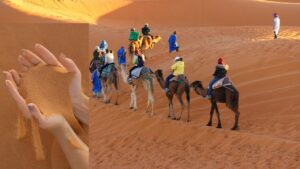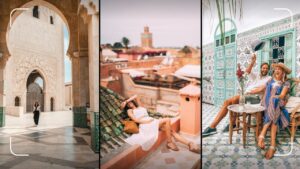
A student trip to Morocco is much more than ticking places off a list. It’s about walking through ancient medinas, talking with local people, tasting new food, and seeing geography and history come alive. As local guides, we don’t just show students Morocco — we help them experience it, understand it, and learn from it in a real, meaningful way.
Why Morocco Is an Ideal Student Travel Destination
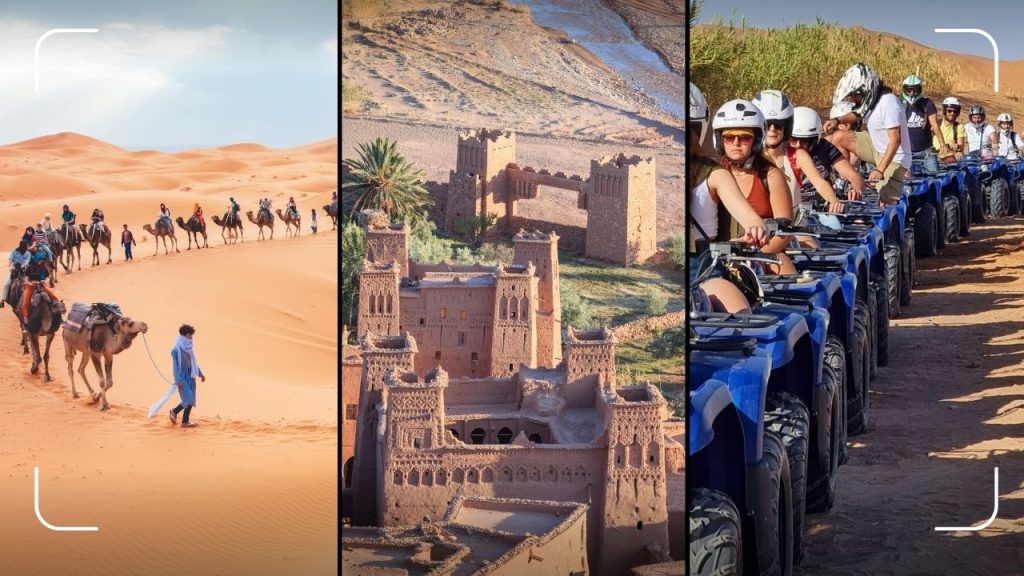
Morocco works extremely well for student travel because it brings many subjects together in one country, without long internal flights or complicated logistics. In just a few days, students can move from modern cities to mountain villages, from Atlantic coastlines to the Sahara Desert. This geographic diversity makes lessons in geography, climate, and environmental studies easy to see and understand, not just read about.
For teachers, Morocco feels like a living classroom. Students hear and use multiple languages every day — Arabic, French, Amazigh, and English — which supports language learning and global awareness. History is everywhere: ancient cities, Islamic architecture, Roman sites, and traditional craftsmanship that has been passed down for generations. Social studies come alive through daily interactions, local markets, family-run businesses, and community life.
Safety and accessibility are also key reasons schools choose Morocco. The country has a long tradition of welcoming international visitors and student groups. Tourism infrastructure is well developed, guides are experienced with youth travel, and transport between regions is reliable. From Europe, flights are short and affordable, and Morocco is also easily reachable from North America and other regions.
Most importantly, Morocco challenges students in a positive way. It introduces new perspectives while remaining comfortable and manageable for first-time international travelers. That balance makes it an ideal destination for meaningful, well-structured student trips.
How Student Tours Work in Morocco
Student tours in Morocco are usually built around clear structure, safety, and flexibility, which is exactly what teachers need when traveling with groups. From the moment students arrive, trips are organized with licensed local guides and professional drivers who are used to working with school groups. Guides stay with the group throughout the tour, coordinate daily activities, and act as the main point of contact at all times.
Group safety is a priority. Transport is done in private, comfortable vehicles suited to the group size, such as minibuses or coaches with seatbelts and air conditioning. Routes are planned in advance, travel days are balanced, and stops are included to avoid long, exhausting drives. Accommodation locations and activities are chosen in areas known to be safe and appropriate for students.
Morocco offers a wide range of affordable lodging options for student groups. Hostels and budget hotels work well in cities, while traditional riads offer a cultural experience in historic medinas. For desert regions, well-organized camps provide safe, supervised overnight stays with private or shared tents, proper bedding, and meals included. All accommodations are selected for cleanliness, security, and group suitability.
Planning timelines are straightforward. Most schools begin planning 6–12 months in advance, especially for larger groups or travel during spring. This allows time to confirm budgets, flights, permissions, and insurance. Shorter trips can also be organized with less notice, but early planning always gives more choice and better value.
Typical Itineraries by Length
Student tours in Morocco are usually designed around the time available and the learning goals of the group. Below are the most common formats schools choose, based on what works best on the ground.
4 Days — Quick Intro to Morocco
This 4 days desert tour from Marrakech focus on giving students a strong first impression without rushing too much. Most programs are based around Marrakech, where students explore the historic medina, souks, and key cultural sites. From there, the journey often continues across the Atlas Pass, which helps students understand mountain geography, rural life, and climate differences.
Some itineraries include a long but memorable drive toward the edge of the Sahara Desert, giving students a direct view of desert landscapes and settlement patterns. These trips are intense but effective, ideal for long weekends or short school breaks. The focus is on exposure rather than deep academic work, making them suitable as an introduction to North Africa and Islamic culture.
7 Days — Balanced Culture & Nature
This 7 days tour from Marrakech is the most popular option for student groups because it allows time for learning without feeling rushed. A typical route starts in Marrakech, continues to Ait Ben Haddou, crosses the Atlas Mountains, reaches the Sahara region, and finishes in Fes.
This format connects well with classroom subjects. Students see trade routes, fortified villages, and traditional architecture while discussing history, geography, and cultural continuity. Time is built in for guided visits, reflection, and group discussions. Travel days are balanced with walking tours and interactive experiences, making this length ideal for meaningful educational outcomes.
10+ Days — Immersion & Academic Focus
Longer programs are designed for deeper engagement and academic purpose. In addition to core routes, time is added for workshops with artisans, visits to schools or cooperatives, and community-based activities. Some groups include volunteer days focused on education, environment, or local development.
These itineraries often expand to the coast or northern regions, adding places like Essaouira or Chefchaouen. The slower pace allows students to build real connections, practice language skills, and better understand Moroccan society beyond tourism. This format works best for study-abroad style programs or schools seeking academic credit integration.
What Students Actually Do (Activities & Learning)
Student trips in Morocco are designed around learning through experience, not passive sightseeing. While landscapes like the desert are impressive, most of the learning happens through daily activities that connect directly to culture, history, and society.
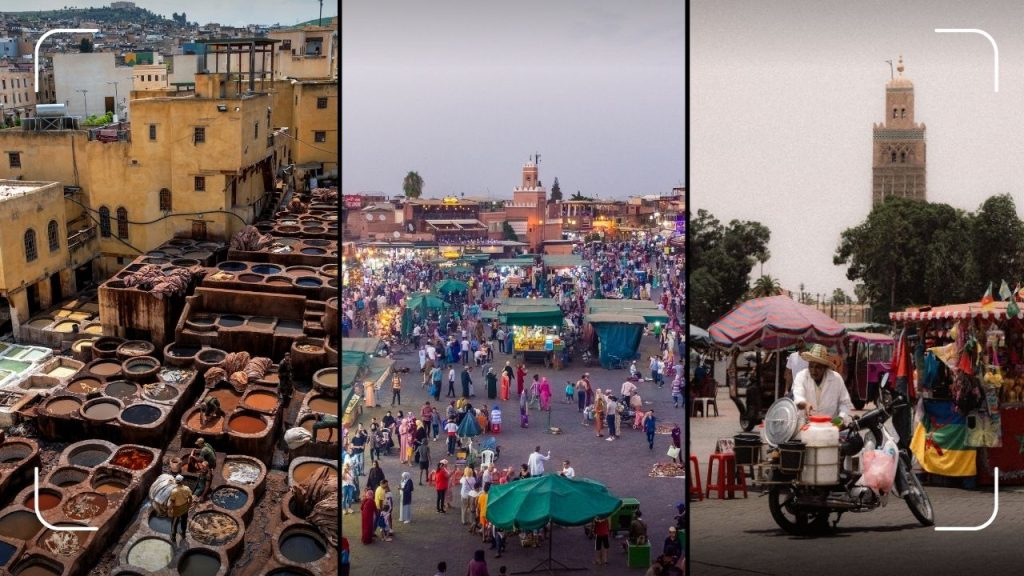
Guided medina walks are a core part of every program, especially in cities like Marrakech and Fes. Students explore narrow streets, markets, and neighborhoods while learning how traditional cities function. Guides explain architecture, water systems, trade organization, and how medinas still operate as living communities, not open-air museums.
Workshops with local artisans add a hands-on element. Students meet craftspeople working in pottery, tile-making, leather, weaving, or metalwork. These sessions focus on technique, materials, and the economic role of traditional crafts today. Students see how skills are passed down through families and how tourism, globalization, and preservation interact.
Language practice and cultural exchange happen naturally throughout the trip. Students hear and use Arabic, French, Amazigh, and English in real situations—ordering food, asking questions, and interacting with local people. Visits to schools, cooperatives, or youth centers allow for simple exchanges that build confidence and cultural awareness without forced activities.
Environmental learning is especially strong outside the cities. In the Atlas Mountains, students learn about water management, agriculture, and village life in challenging terrain. In the Sahara Desert, lessons focus on climate, adaptation, sustainability, and desert ecosystems. These environments help students understand how geography shapes daily life.
By the end of the trip, students leave with practical knowledge, global perspective, and a clearer understanding of how Morocco works beyond the surface level.
Regional Highlights Beyond Marrakech
While Marrakech is often the starting point, student tours become much richer when they include other regions. These places show different sides of Morocco and help students understand how history, geography, and modern life connect across the country.
Fes is one of the most important learning stops for student groups. It is home to the world’s oldest continuously operating university and one of the best-preserved medieval cities anywhere. Walking through its medina, students see how education, religion, craftsmanship, and trade shaped urban life centuries ago and still do today. Fes is ideal for lessons in Islamic history, traditional architecture, and knowledge systems.
Casablanca offers a strong contrast. As Morocco’s economic center, it shows students modern urban life, business districts, and contemporary society. Visits here help explain post-colonial development, globalization, and how Morocco balances tradition with modernization. It’s especially useful for students studying economics, urban studies, or modern African history.
Rabat, the capital, adds political and institutional context. Students visit museums, historic sites, and administrative areas that explain Morocco’s imperial past and current governance. Rabat is clean, organized, and calm, making it easy for groups to move while focusing on history, diplomacy, and national identity.
The Atlas Mountains and nearby Berber villages offer insight into rural Morocco. Students learn how communities adapt to mountain environments, manage water, and maintain traditions while facing modern challenges. Homestays or village visits support discussions about sustainability, agriculture, and social structure outside cities.
On the coast, Essaouira introduces maritime history and trade. Students explore fisheries, ports, and old fortifications while learning about Atlantic trade routes, migration, and cultural exchange. Its relaxed pace makes it ideal for reflection and discussion.
Including these regions gives student tours depth, balance, and a more accurate picture of Morocco as a diverse, living country.
Safety, Health & Student Group Tips
Morocco is generally a safe country for student travel, especially when trips are organized with licensed local guides and private transport. Moroccan culture places strong value on hospitality, and student groups are commonly welcomed. As guides, we plan routes carefully, avoid risky areas, and keep groups together during city walks. Clear meeting points, headcounts, and consistent daily schedules are standard practice and help students feel secure.
From a health perspective, basic precautions are enough. Students should stay hydrated, especially in warmer regions, and carry refillable water bottles. Sun protection is important year-round, including hats and sunscreen. Comfortable walking shoes are essential for medina streets and uneven terrain. For mountain or desert areas, layers are recommended, as temperatures can change quickly between day and night. Schools should ensure all students have travel insurance and any required medications clearly labeled.
For teachers managing groups, structure makes a big difference. Setting clear rules from the start about meeting times, buddy systems, and respectful behavior helps trips run smoothly. Keeping groups smaller during medina visits allows better supervision and learning. Teachers and guides work closely together, with guides handling logistics and cultural context while teachers focus on student support and learning goals.
With good planning and clear communication, student tours in Morocco are safe, manageable, and well suited to educational travel.
Budget, Deals & How to Save
Morocco is a cost-effective destination for student travel, especially compared to many long-haul options. Most budgets are built around three main elements: transport, accommodation, and food. Private group transport with a driver and fuel is usually the largest fixed cost, but it becomes very reasonable when divided across a full group. Accommodation for students is affordable, with hostels, budget hotels, riads, and desert camps offering good value without compromising safety. Meals are also reasonably priced, and many programs include breakfasts and dinners to control daily spending.
Food costs are easy to manage. Local restaurants offer fixed menus for groups, and traditional Moroccan meals are filling and balanced. This helps teachers plan daily allowances and avoid unexpected expenses. Entrance fees to monuments and museums are generally low, especially compared to Europe.
Student discounts are commonly available. Many museums, historical sites, and educational institutions offer reduced entry for school groups when arranged in advance. Some accommodations and transport providers also offer group or student rates, particularly for longer stays or repeat school partnerships. Booking as a full package rather than individual services usually reduces overall costs.
Timing plays a major role in saving money. Planning trips outside the high season—especially avoiding peak spring holidays and major tourist months—can significantly lower prices. Late autumn and winter are excellent for student travel, with mild temperatures, fewer crowds, and better availability. Early planning also helps secure better deals on flights and accommodations.
With careful planning and local support, schools can deliver meaningful student trips to Morocco while staying within realistic and transparent budgets.
FAQs Teachers & Students Ask
What is the best age group for student tours to Morocco?
Morocco works best for students aged 12 and up. Middle school groups benefit from cultural exposure and geography learning, while high school and university students can engage more deeply with history, language, religion, and social studies. The itinerary and pace are adjusted based on age, with younger groups focusing on shorter travel days and older students handling more discussion-based and academic activities.
How many adults are needed per student group?
A common ratio is one adult for every 10–12 students, depending on age and school policy. In Morocco, groups are also accompanied by a licensed local guide and a professional driver, which adds an extra layer of supervision. For younger students, a higher adult-to-student ratio is recommended, especially during medina visits and overnight stays outside major cities.
Do students need visas or special documents?
For most students traveling from Europe, the UK, the US, Canada, and many other countries, no visa is required for short stays in Morocco. Passports must be valid for the duration of the trip. Schools should always double-check current entry rules before departure. Travel insurance is strongly recommended for all participants and often required by schools, covering health, trip interruption, and emergencies.
Can trips be linked to classroom credits or learning outcomes?
Yes. Many schools connect Morocco trips to coursework in geography, history, religious studies, language learning, environmental studies, or global citizenship programs. Teachers often prepare pre-trip lessons and post-trip assignments such as presentations, journals, or reports. Longer programs may include workshops, cultural exchanges, or community visits that support academic credit or service-learning requirements.
Is luggage safe during the trip?
Luggage safety is taken seriously on student tours. Bags are transported in locked vehicle compartments and handled by drivers or accommodation staff, not left unattended. In cities, students are advised to carry small daypacks and leave larger bags at hotels or riads. In desert areas, luggage is transferred directly to camps or hotels by staff. Teachers are encouraged to set clear rules about valuables and avoid bringing unnecessary items.
What about food allergies or dietary needs?
Moroccan cuisine is flexible for groups. Vegetarian options are widely available, and special dietary needs can be arranged in advance. Teachers should provide a list of allergies and requirements during planning so accommodations and restaurants can prepare accordingly.
Is Morocco suitable for first-time international student travelers?
Yes. Morocco is often chosen as a first international destination because it feels culturally different while remaining organized and accessible. With structured itineraries, local guides, and clear group rules, students adapt quickly and gain confidence traveling abroad.
Conclusion & Call to Action
Student tours to Morocco offer real learning through direct experience — geography you can walk through, history you can see, and culture you can engage with every day. With the right planning, these trips are safe, affordable, and academically meaningful for both students and teachers.
Planning checklist:
- Define learning goals and trip length
- Confirm student numbers and supervision ratio
- Set budget and travel dates
- Arrange transport, lodging, and guides
- Prepare insurance, documents, and packing lists
We are a Morocco-based tour company working directly on the ground with schools and student groups. We design custom itineraries based on your academic goals, time frame, and budget. Contact us to tailor a student tour to Morocco that fits your program and delivers real educational value.