Morocco is a beautifully welcoming and incredibly safe destination for couples seeking adventure, romance, and rich history. However, its cultural norms are quite different from many Western countries. Understanding local etiquette is essential because it helps couples avoid awkward situations, ensuring they travel respectfully and comfortably. When planning your trip, you might wonder about the biggest mistakes tourists make. The most common missteps usually involve inappropriate dress, excessive public affection, taking photography without permission, failing at bargaining, misunderstanding religious practices, and falling for common street scams. This guide focuses on simple yet crucial cultural mistakes couples should avoid while visiting bustling cities like Marrakech and Fes, or while exploring the majestic Sahara Desert. By knowing what to expect, you can enjoy a flawless Moroccan getaway and see why Morocco is safe for married couples.

Quick Answer — Biggest Mistakes Couples Make in Morocco
If you are looking for a quick summary of what to avoid, here are the most common mistakes couples should avoid during their Moroccan vacation:
- Engaging in overt public displays of affection in conservative areas.
- Wearing overly revealing clothing, especially outside of resort pools.
- Photographing local people without asking for explicit permission.
- Ignoring mosque etiquette and attempting to enter restricted religious sites.
- Accepting unsolicited tours from “free” guides in the medinas.
- Not negotiating or bargaining prices in the traditional souks.
- Disrespecting Ramadan customs by eating or drinking publicly during the day.
Avoid Public Displays of Affection
Morocco is culturally conservative, especially in smaller towns, rural villages, and traditional neighborhoods. While holding hands is generally acceptable, particularly for married couples, kissing, hugging, or overly intimate behavior in public can make locals feel quite uncomfortable. It is always best to be mindful of your surroundings. In popular tourist areas like Marrakech, Agadir, or Essaouira, people are generally more relaxed and accustomed to Western tourists, but couples should still keep their physical affection discreet. As a simple rule of guidance: save your romantic moments for private spaces like your beautiful riad, hotel room, or a secluded luxury desert camp. Showing restraint is a sign of deep respect for local Islamic traditions and will make your daily interactions much smoother.
Do Not Dress Too Revealingly
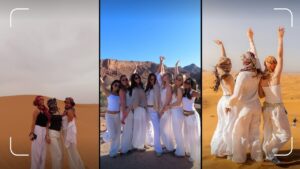
Choosing the right clothing is highly important, as wearing modest clothing shows deep respect for Moroccan culture. While you might wonder if ladies can wear shorts in Marrakech, very revealing outfits like short shorts, crop tops, and tank tops can attract unwanted attention, especially in traditional areas and busy souks. The best practice for couples is to keep shoulders and knees covered. Opt for lightweight long pants, linen shirts, or maxi dresses. Because Morocco is hot for much of the year, wearing loose, breathable fabrics works best to keep you cool while remaining culturally appropriate. Dressing modestly as a tourist not only helps couples blend in more easily but also ensures you avoid uncomfortable stares or situations while exploring the cities.
Never Photograph People Without Asking
Many locals in Morocco do not like being photographed without their explicit permission. This is especially true in traditional markets, rural Berber villages, and among the lively artisans, musicians, or snake charmers in famous squares like Jemaa el-Fnaa. Couples should always ask politely before taking pictures of people or their specific market stalls. In some tourist-heavy areas, individuals may allow a photo but will request a small tip in exchange for their time. Knowing if tipping is customary for these interactions is helpful; usually, a few dirhams suffice. Practicing respectful photography builds much better, friendlier interactions with locals and prevents sudden conflicts during your daily sightseeing adventures.
Avoid Following Unofficial “Guides”
When navigating the labyrinth-like medinas of cities such as Marrakech or Fes, couples will frequently encounter individuals who approach tourists offering to guide them through the streets. Many of these unofficial guides claim their help is completely free or that a specific road is “closed,” but they will later aggressively demand payment for their unsolicited services. Couples should politely but firmly decline these offers. Instead, rely on official tourist information, hire licensed tour guides, use offline GPS navigation on your phone, or simply ask for directions from established shop owners and your riad staff. Taking these simple precautions prevents uncomfortable, high-pressure situations and helps you easily avoid one of the most common street scams.
Do Not Enter Mosques If You Are Not Muslim
Unlike some other Islamic countries, most mosques in Morocco are strictly reserved for Muslim worshippers only. Tourists should respect this deeply held religious rule and avoid trying to look inside. The only major exception to this rule is the spectacular Hassan II Mosque in Casablanca, which offers guided tours to non-Muslims (you can verify official visiting hours on the Foundation of the Hassan II Mosque website). Couples should also avoid standing directly at mosque entrances, blocking doorways, or interrupting prayer times with loud conversations. Respecting these sacred religious spaces is an incredibly important part of Moroccan etiquette and shows that you value local traditions.
Never Assume Prices Are Fixed in Souks
In vibrant Moroccan markets, bargaining is not just expected; it is a fundamental part of the traditional shopping culture. Tourists who simply accept the very first price offered will often pay significantly more than locals do. Couples should embrace the experience, negotiate politely, and always keep the process friendly and lighthearted. A common and effective approach is offering around 50 to 60 percent of the initial asking price, and then slowly working your way up to meet the merchant somewhere in the middle. Treat bargaining as a fun cultural interaction and a way to chat with locals, rather than a tense confrontation. With a smile, you can secure beautiful souvenirs at a very fair price.
Be Respectful During Ramadan
During the holy month of Ramadan, Muslims fast from sunrise to sunset, refraining from food, water, and smoking. Eating, drinking, or even wondering if you can smoke in Morocco publicly during the daytime may be considered highly disrespectful in some traditional areas. While tourists are certainly not expected to fast, couples should try to be discreet in public places out of respect for those who are fasting. Fortunately, many restaurants and cafes located in popular tourist areas usually remain open behind screened windows or curtains. Understanding and honoring Ramadan customs helps visitors show great cultural awareness and fosters mutual respect during this deeply spiritual and important time of the year.
Avoid Walking Alone in Quiet Areas Late at Night
Morocco is generally a very safe destination for tourists, but just like visiting any major international city, couples should stay aware of their surroundings after dark. While exploring, it is best to avoid empty, unlit alleys deep within the medina at night. Instead, stick to well-lit, busy streets where other people are present. If you are returning to your accommodation late after dinner, using registered “petit taxis” or walking closely together is highly recommended. You might wonder if Marrakech is safe for couples at night—it absolutely is, provided you use basic travel awareness. These simple safety habits help couples enjoy the magical Moroccan evenings comfortably and without any unnecessary stress.
Cultural Tips Couples Should Know Before Visiting Morocco
Beyond knowing what not to do, a few proactive steps can greatly enhance your trip. Here are some quick tips for couples:
- Greeting locals politely with a smile goes a long way in establishing rapport.
- Learning a few basic Moroccan phrases for tourists, like “Salam” (Hello) or “Choukran” (Thank you), helps break the ice and shows you care.
- Always respect local traditions, especially when visiting smaller, rural Berber communities.
- Accept Moroccan hospitality graciously; if offered mint tea by a shopkeeper, it is polite to accept it.
- Always ask your riad hosts or official guides for local advice and restaurant recommendations.
These small but meaningful actions create highly positive experiences, open doors to genuine interactions, and build deeper cultural connections throughout your journey.
FAQ — Morocco Travel Etiquette for Couples
Is Morocco safe for couples? Y
es, Morocco is considered highly safe for couples, especially in popular tourist destinations. Following cultural etiquette helps ensure a smooth, worry-free trip. For general, up-to-date international travel safety guidelines, you can always refer to official government sources like the U.S. Department of State.
Can couples hold hands in Morocco?
Holding hands is generally acceptable in tourist areas and major cities, but more intimate displays of affection, like kissing, should be avoided in public.
Can unmarried couples share a hotel room in Morocco?
Yes, most hotels and riads serving international tourists allow unmarried couples to share a room without any issues.
Is Morocco friendly to tourists?
Absolutely. Moroccans are incredibly friendly to tourists, known globally for their deep-rooted hospitality, warmth, and welcoming nature toward visitors from all over the world.