March is one of the most enchanting times to visit the Kingdom. As winter fades, the landscape transforms into a lush green paradise, making it a prime season for exploration. However, because it is a transitional month, knowing what to wear in Morocco in March is the difference between a comfortable adventure and a shivering night in the desert.
Introduction
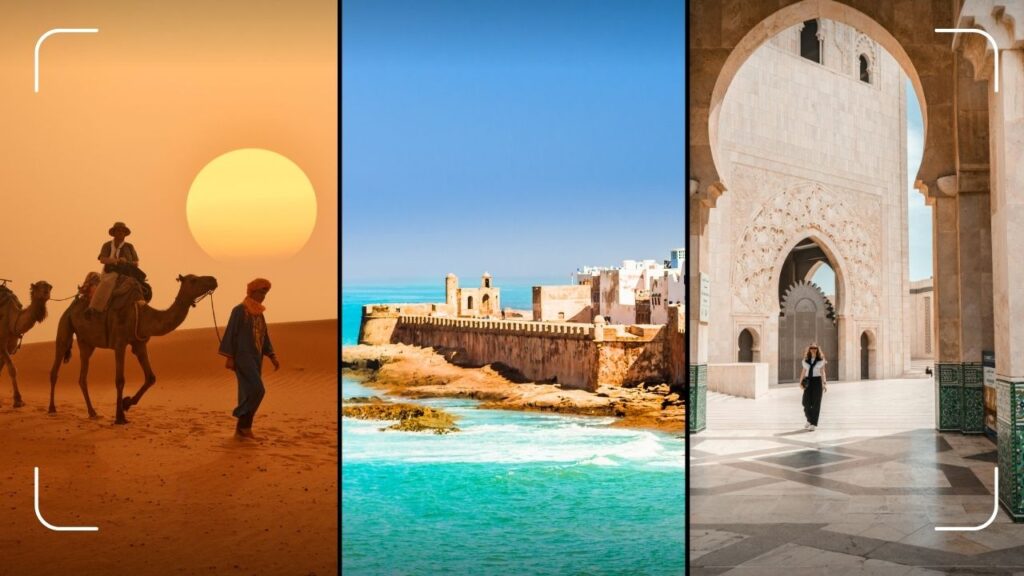
March in Morocco is defined by its variety. You can expect mild spring weather in the cities, snow-capped peaks in the High Atlas, and dramatic temperature swings in the Sahara. This diversity makes packing a bit of a puzzle.
Why does your choice of clothing matter? Beyond personal comfort, Morocco is a conservative country where dressing modestly is a sign of respect for the local culture. Striking a balance between breathable fabrics for the afternoon sun and warm layers for the chilly evenings is the goal.
Quick Takeaway Bullets:
- The Golden Rule: Layers, layers, layers.
- Cultural Respect: Keep shoulders and knees covered in public.
- Footwear: Bring sturdy walking shoes for medinas and hiking.
- Temperature: Expect anything from 10°C (50°F) at night to 25°C (77°F) during the day.
March Weather in Morocco – Quick Overview
Before you zip up your suitcase, understand the regional microclimates you’ll encounter:
- Cities (Marrakech, Fes): Warm, sunny days often reaching 22°C–25°C, but temperatures drop quickly once the sun sets.
- Coastal areas (Essaouira, Casablanca): Breezy and significantly cooler due to the Atlantic winds.
- Mountains (Atlas): Crisp air with colder mornings and evenings; snow may still be present on high trails.
- Desert (Sahara): Intense sun during the day, but nights can be surprisingly “bone-chilling” in the dunes.
Whether you are deciding Agadir or Marrakech in April or planning for March, layering remains your best strategy.
Morocco Dress Code & Cultural Clothing Norms
Morocco is a Muslim-majority country, and while it is very welcoming to tourists, what tourists should wear is a common concern.
- Modesty is Key: In rural areas and the medinas of Fes or Marrakech, aim to cover your shoulders and knees. This applies to both men and women.
- Women: Opt for loose-fitting trousers, maxi skirts, or dresses with sleeves. A lightweight scarf is the most versatile item you can carry—use it to cover up when entering religious sites or to protect against dust.
- Men: While t-shirts are fine, long trousers are generally preferred over shorts to look more “put together” in local eyes.
- Exceptions: Short shorts and tank tops are perfectly acceptable at your hotel pool, private beach clubs, or high-end resorts.
What to Wear by Location – Morocco in March
Cities & Medinas (Marrakech, Fes, Casablanca)
The cobblestone streets of the old cities are legendary. You’ll want breathable tops (linen or cotton) and comfortable trousers.
- Evening: A light denim jacket or knit sweater is essential.
- Footwear: Avoid heels. The medinas are uneven; stick to sneakers or supportive sandals.
- Tip: If you’re wondering if Marrakech is safe for couples, dressing respectfully is one way to ensure a hassle-free experience.
Desert (Sahara & Erg Chebbi/Chigaga)
If you are taking a 3-day desert tour from Marrakech to Merzouga, prepare for extremes.
- Day: Loose linen shirts and wide-brimmed hats to block the sun.
- Night: A thermal base layer or a fleece. The desert loses heat rapidly.
- Footwear: Closed shoes are best for walking on dunes to keep the hot sand out.
Atlas Mountains & Cool Regions
March is beautiful for hiking to places like Imlil. However, it is much colder here than in Marrakech.
- Essentials: Lightweight fleece, sturdy hiking boots, and a windbreaker.
- Check: Always check official weather updates from the Direction Générale de la Météorologie before heading into high-altitude treks.
Coastal Cities (Essaouira, Casablanca)
The “Windy City” (Essaouira) requires a windbreaker even on sunny days. Lightweight scarves are great for keeping hair in place and staying warm. For a detailed comparison of urban vibes, see our guide on Marrakech vs Casablanca vs Fes.
March Packing List – Essentials & Extras
Clothing Essentials:
- 3-4 Breathable tops (mix of short & long sleeves).
- 2 pairs of comfortable trousers or maxi skirts.
- 1 Light jacket or stylish trench coat.
- 1 Warm sweater or fleece for the desert/mountains.
- 2 Scarves (one light, one slightly warmer).
- Comfortable walking shoes (broken-in sneakers are best).
Optional but Useful:
- Swimwear: Many Riads have heated pools.
- Light rain gear: March can see occasional spring showers.
- SPF 30+ Sunscreen: The Moroccan sun is stronger than it feels in the breeze.
- Portable Power Bank: For those long tours from Casablanca.
What Not to Pack for Morocco
- Revealing Clothes: Save the crop tops and mini-skirts for another destination.
- Heavy Boots: Unless you are doing serious mountain climbing, heavy boots are overkill and take up too much suitcase space.
- Expensive Jewelry: Keep it simple to avoid unwanted attention in crowded markets.
Seasonal Style Tips (Morocco in March)
- Fabric Choice: Cotton and linen are your best friends. They breathe well and dry quickly.
- Color Palette: Neutral or earth tones (beiges, olives, terracotta) look great in photos and help you blend in.
- Socks: Essential for visiting mosques where shoes must be removed; they keep your feet clean on the cool marble floors.
- Hydration: Always carry water. While we discuss if you can drink tap water in Marrakech, sticking to bottled or filtered water is safer for most travelers.
FAQs — Frequently Asked Questions
Is it warm enough for short sleeves in March?
Yes, during the day in Marrakech, Agadir, and the desert, short sleeves are fine. However, you will need a jacket the moment the sun goes down.
Do women need to cover their heads?
No, there is no legal requirement for tourists to cover their heads. However, covering your shoulders and knees is considered the standard for respectful travel. For more on local customs, read what you should know about Moroccan people.
Should I pack a heavy coat?
Only if you plan to spend significant time in the High Atlas or are doing a late-night stargazing session in the Sahara. For most, a medium-weight jacket and layering are sufficient.
Conclusion
March is a transitional month that offers some of the most beautiful weather for a Morocco tour. By packing smart layers and respecting the local dress code, you’ll be prepared for everything from a sunny cafe in Marrakech to a breezy evening in Essaouira.
Remember, the best outfit in Morocco is one that combines comfort, functionality, and cultural awareness. Safe travels!